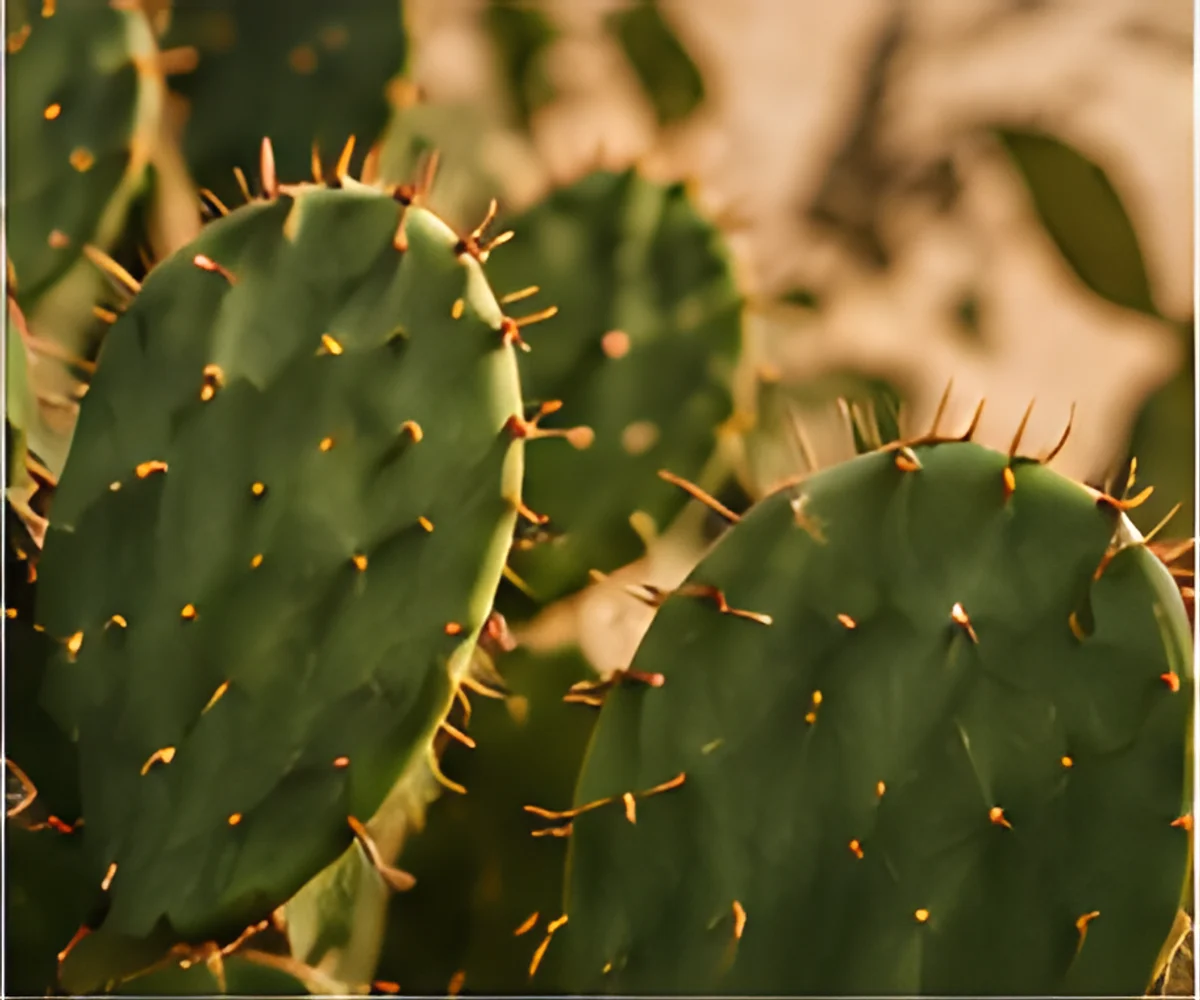
Cactus leather is a plant-based material designed to look and handle like leather. It is made using the pads (often called leaves) of the prickly pear cactus, Opuntia, which are processed and combined with other components to form a flexible, durable sheet.
It is not leather in the traditional sense, since there is no animal hide involved, and it is not simply dried cactus either. Understanding what sits between those two ideas is the most useful way to understand the material.
Where cactus leather comes from
Cactus leather is a recent invention. The first commercial version was developed in Mexico by the company Desserto and shown publicly in 2019. It uses the nopal, or prickly pear, a cactus that is native to Mexico and widely grown there as food. Since then, other suppliers have developed their own cactus-based materials, including manufacturers in India.
The appeal is the plant itself. Nopal grows well in dry conditions, draws much of its water from rain and humidity rather than irrigation, and grows new pads after mature ones are cut, so the same plant can be harvested repeatedly.
What it is made from
Most cactus leathers follow the same broad structure. Mature cactus pads are harvested, cleaned, processed and dried. The resulting plant material is combined with a binder and formed into a coating, which is applied to a textile backing for strength.
- Plant content: processed prickly pear pads, which give the material its name and part of its character.
- Binder: a polymer that holds the plant material together. Many suppliers use partly bio-based formulations; the exact composition varies by supplier.
- Backing: a woven or knitted textile that gives the sheet tensile strength and tear resistance.
An honest note
Cactus leather is a composite. It is plant-based, but it is not 100% plant. When you see claims about a specific product, the most useful questions are what the binder is, what the backing is, and what share of the material is plant-derived.
How it feels
Good cactus leather has a soft, slightly matte surface with a fine grain. It is typically lighter than comparable animal leather and has a consistent appearance across a sheet, since it does not carry the natural marks of a hide.
It also behaves differently over time. Animal leather develops a patina as oils and handling change its surface. Cactus leather tends to keep its original look for longer, which some people prefer and others miss.
Where it is used
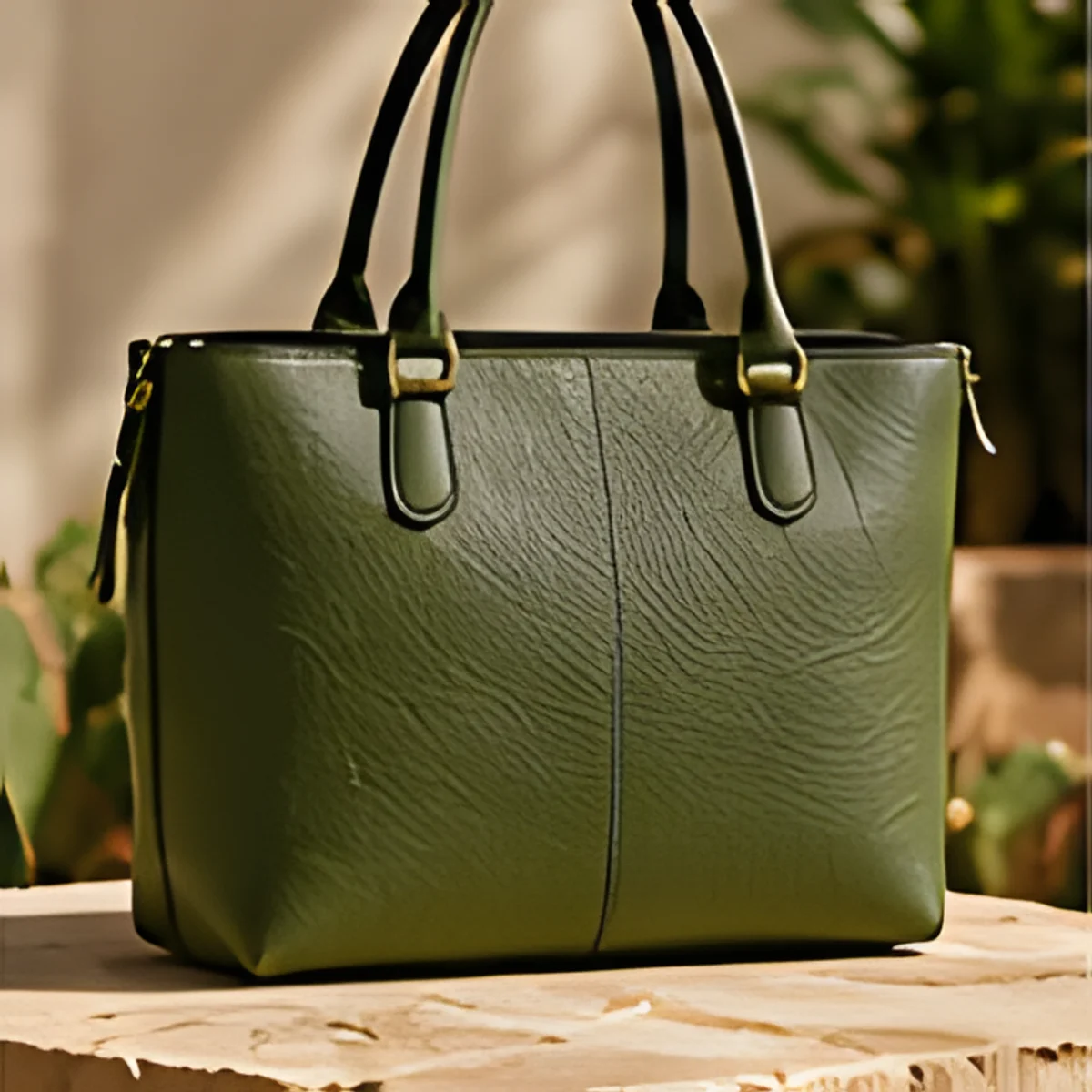
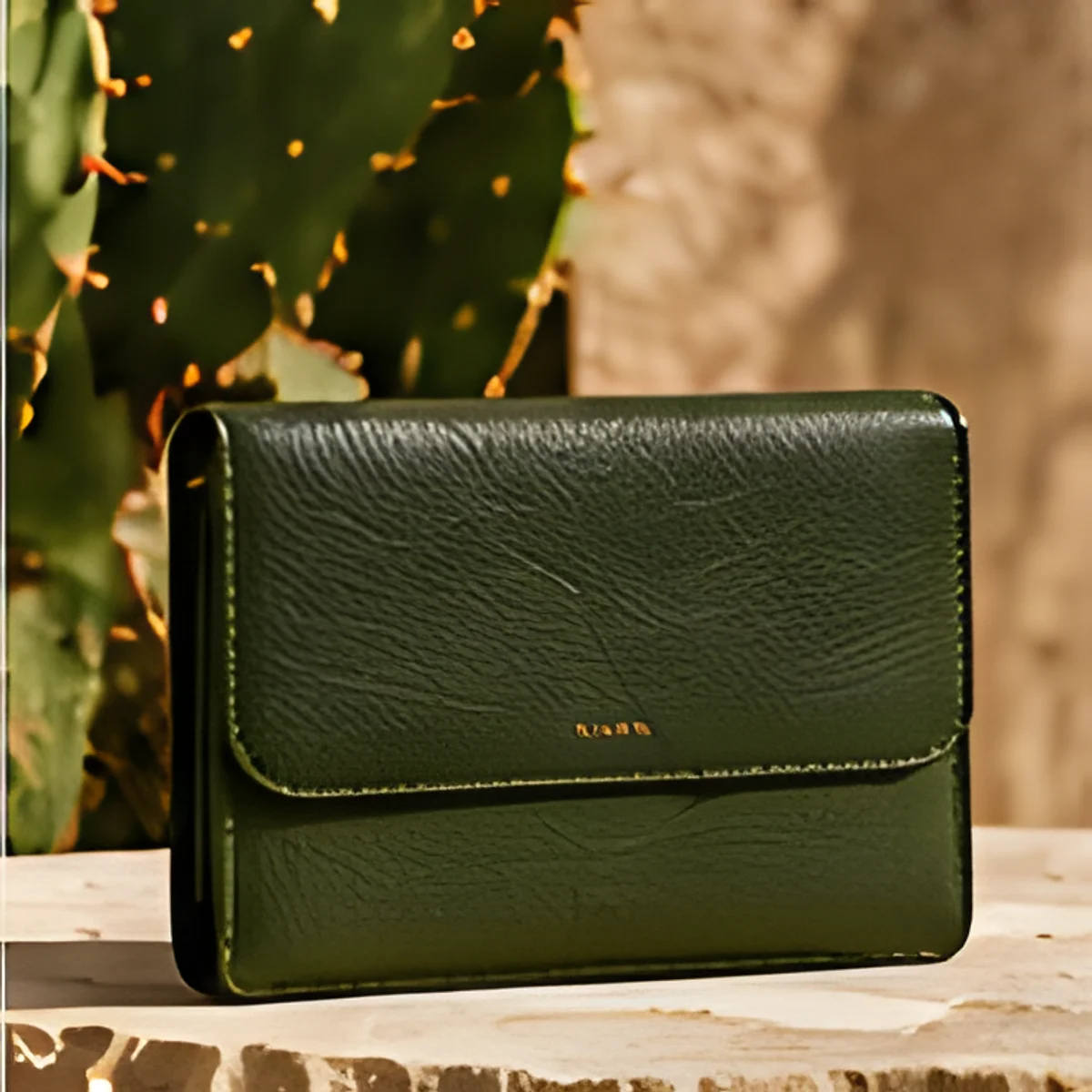
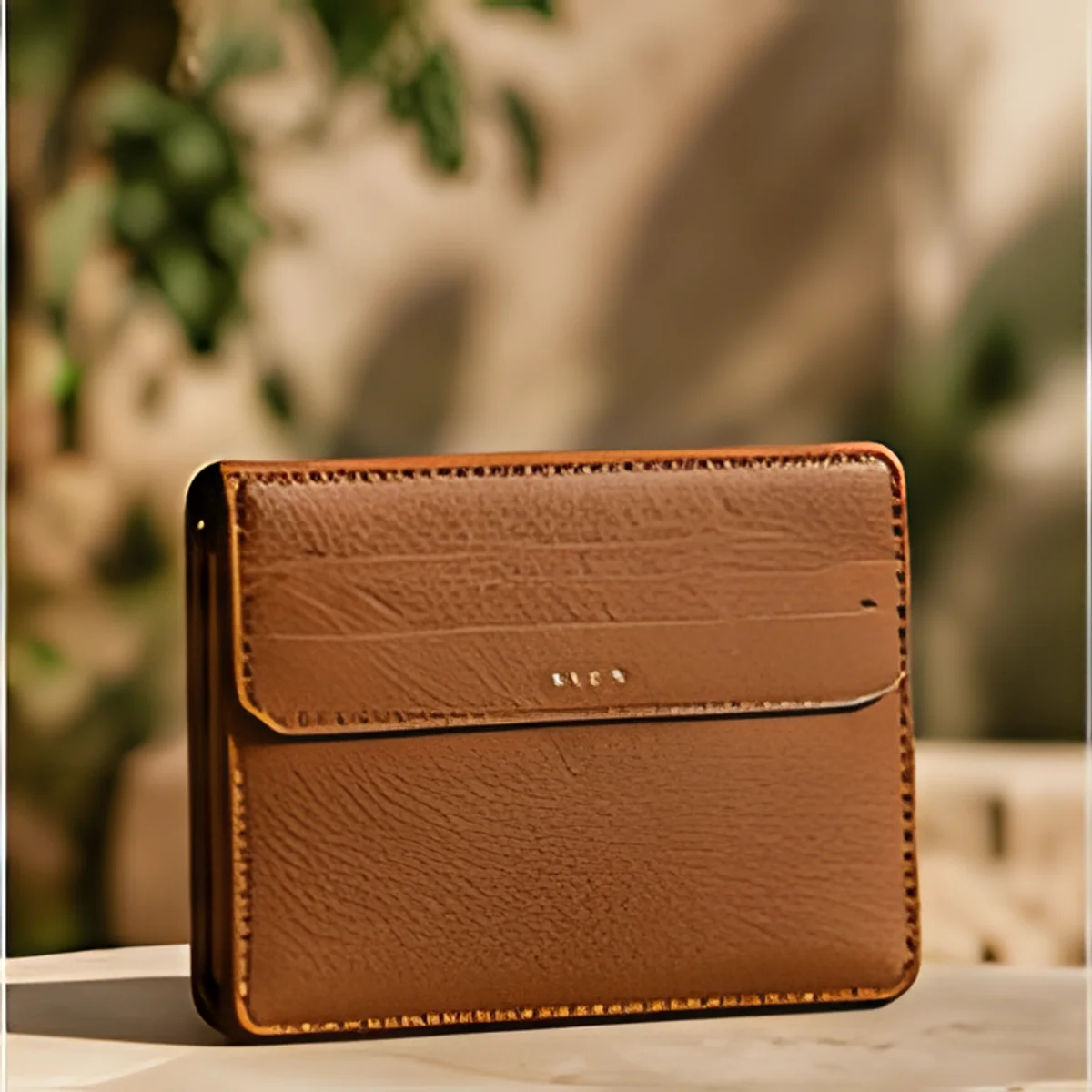
Because it can be produced in rolls with predictable thickness and colour, cactus leather suits structured, cut-and-sewn products: bags, wallets, card holders, straps, footwear uppers and upholstery panels. It has also been used in car interiors.
Made in cactus leather
Cactus leather pros and cons
What it does well
- Animal-free and cruelty-free.
- Part of the material comes from a renewable, low-water plant.
- Light, consistent in colour and grain, and easy to cut into clean shapes.
- Wipes clean and never needs conditioning.
Where it falls short
- It is still a composite, so it is not fully biodegradable and is hard to recycle.
- It does not develop a patina or soften like full-grain leather.
- It costs more than ordinary PU vegan leather.
- Quality varies between suppliers, so the brand’s construction matters a lot.
Cactus leather vs other vegan leathers
Most products sold as “vegan leather” are PU or PVC, which are fully plastic. Cactus leather belongs to the newer group of plant-based leathers, along with apple, pineapple-leaf and cork-based materials, which replace part of the plastic with plant material. Our guide what is vegan leather? compares all of them.
Frequently asked questions
Is cactus leather real leather?
No. Leather means animal hide. Cactus leather is a plant-based alternative that is designed to look and handle like leather.
Why is cactus leather more expensive than PU?
It is made in much smaller volumes than PU, the plant material has to be harvested, dried and processed before it can be used, and the material is still relatively new. All of these add cost.
What are the disadvantages of cactus leather?
It is a composite rather than a pure plant material, it does not age with a patina, and it can be damaged by solvents and strong heat. It is also harder to recycle at the end of its life.
Is cactus leather sustainable?
It is more sustainable than fully plastic alternatives and avoids the animal and tanning footprint of leather, but it is not impact-free. We go through the details on our sustainability page.
How it compares
We have written a separate, more detailed comparison: Cactus Leather vs Traditional Leather. If you want to understand the production steps first, start with How Is Cactus Leather Made?