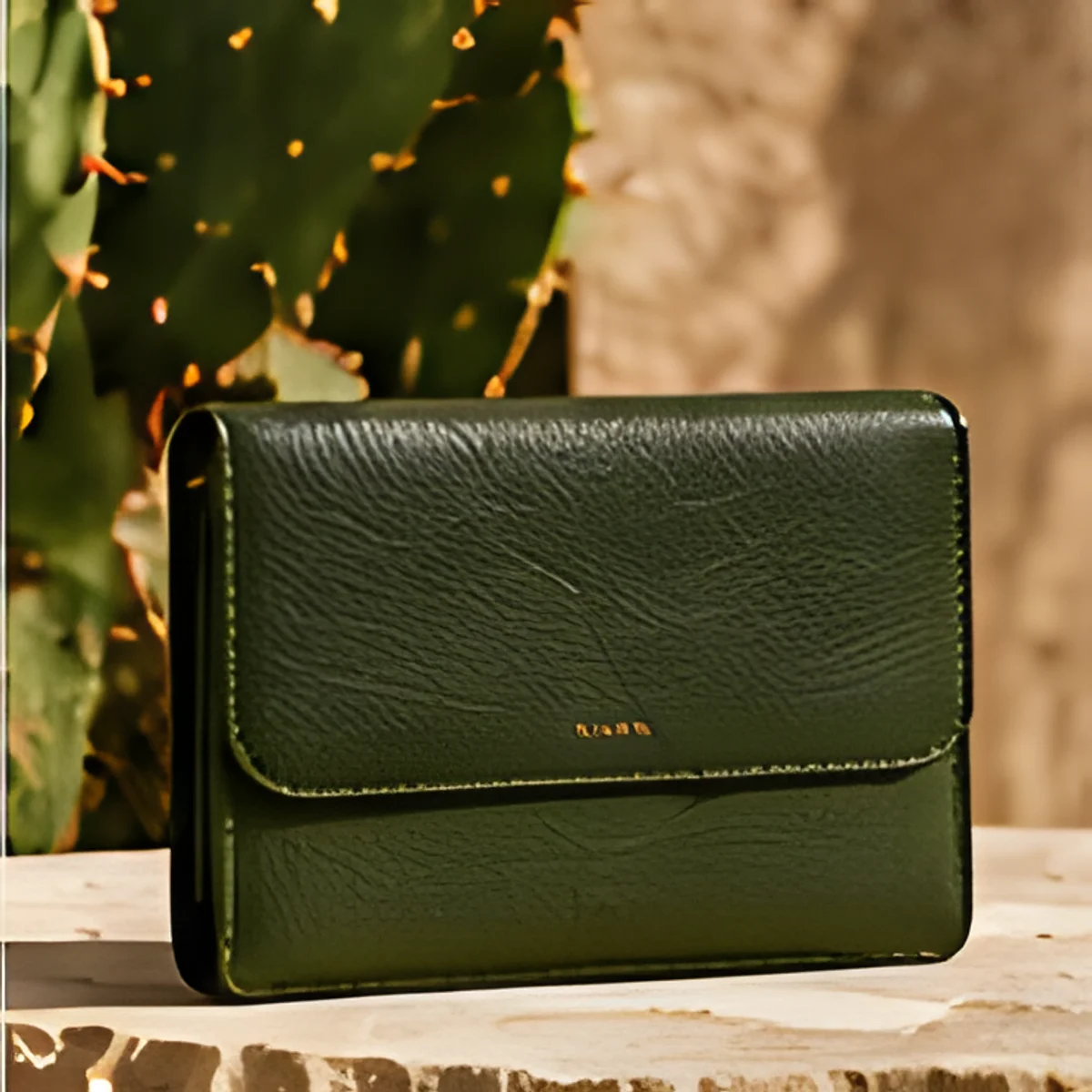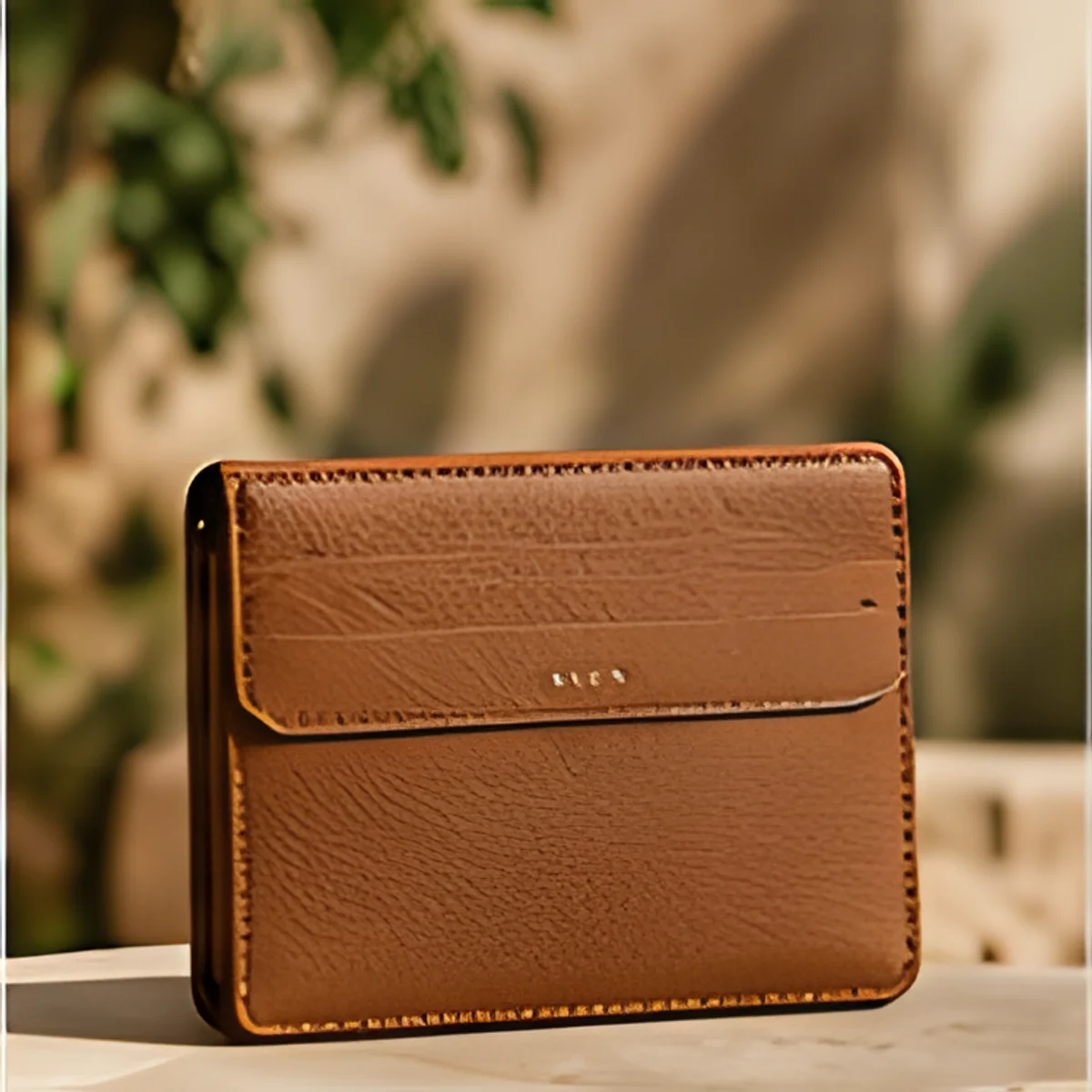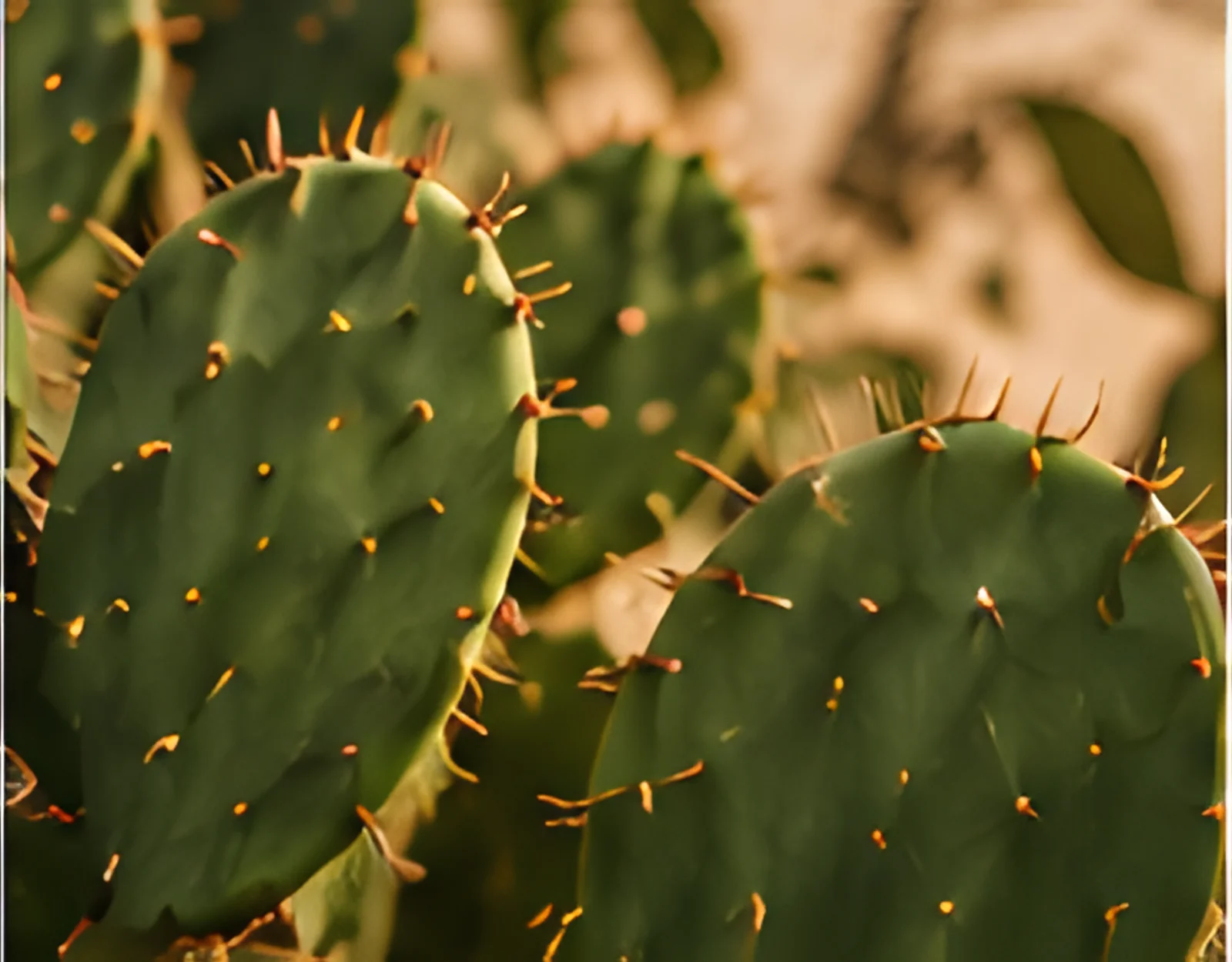
Tag: materials

  • Sustainable Alternatives to Traditional Leather

    Sustainable Alternatives to Traditional Leather

    The phrase “vegan leather” covers a wide range of materials, from conventional plastics to newer plant- and fungi-based composites. They are not interchangeable, and labels alone tell you little. Here is a brief map of the main families.

    Plant-based composites

    These combine plant material with a binder, usually on a textile backing. Cactus leather uses prickly pear pads. Apple-based materials use residue from apple processing. Pineapple-leaf materials use fibres from leaves left after harvest. Plant content, binder and backing vary from product to product.

    Mycelium materials

    Grown from the root structure of fungi and then treated and finished. They can produce a leather-like surface with an interesting hand-feel; availability at scale has varied as producers develop the technology.

    Conventional synthetics

    PU and PVC “leathers” are fully fossil-based plastics. They are inexpensive and consistent but tend to crack and peel over time, and PVC in particular raises additional concerns.

    Recycled and reclaimed

    Recycled synthetics and reclaimed or deadstock leathers reuse existing material. They can be a good choice, though availability and consistency vary.

    Questions worth asking

    • What share of the material is plant- or bio-based, and what is the rest?
    • What is the backing made from?
    • How has the material been tested for abrasion and flexing?
    • How is the product built, and can it be repaired?

    We chose cactus leather for KAKTS after weighing these questions. You can read about that decision on our Sustainability page.
  • What Is Cactus Leather?

    What Is Cactus Leather?

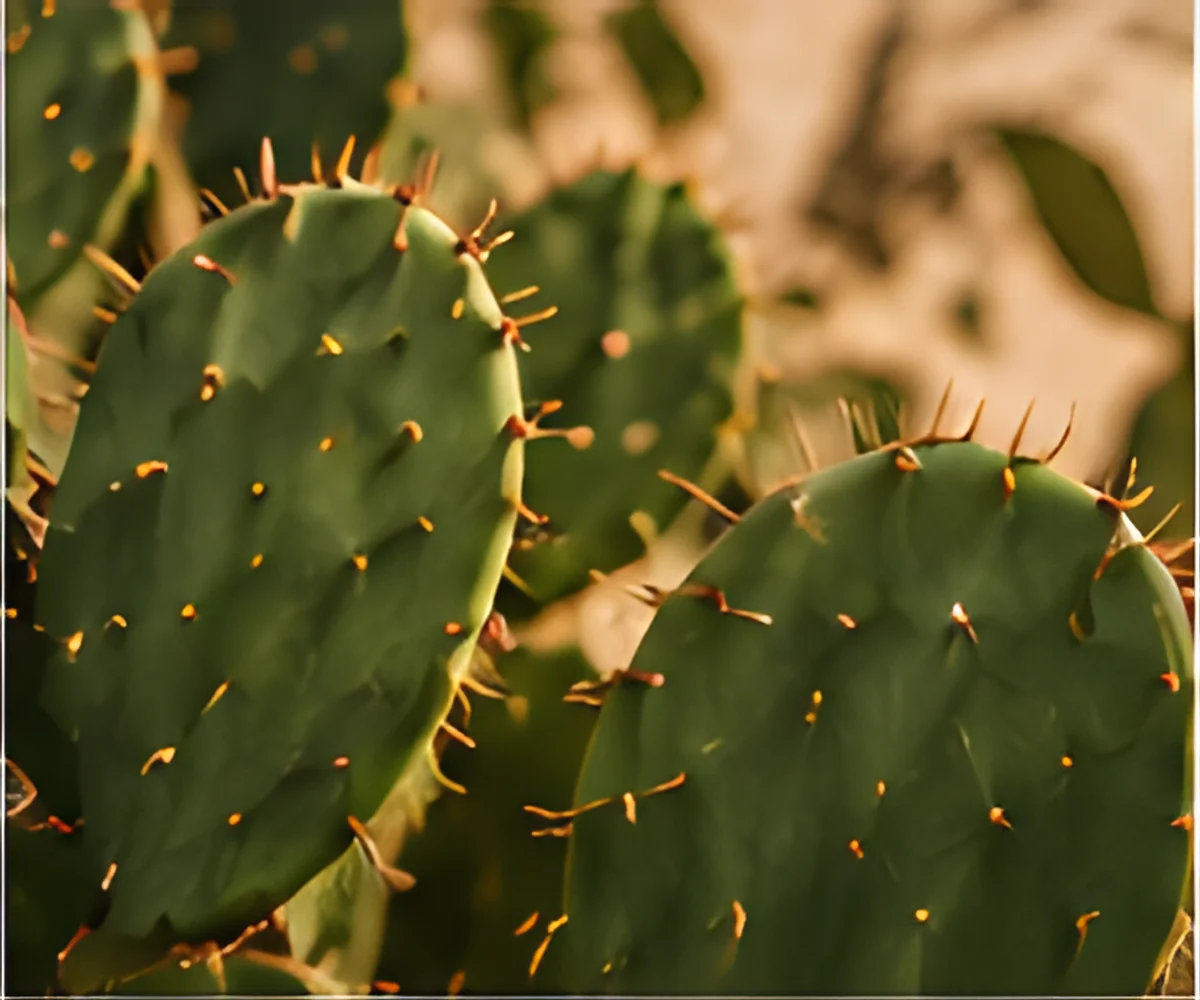
    Cactus leather is a plant-based material designed to look and handle like leather. It is made using the pads (often called leaves) of the prickly pear cactus, Opuntia, which are processed and combined with other components to form a flexible, durable sheet.

    It is not leather in the traditional sense — there is no animal hide involved — and it is not simply dried cactus either. Understanding what sits between those two ideas is the most useful way to understand the material.

    What it is made from

    Most cactus leathers follow the same broad structure. Mature cactus pads are harvested, cleaned, processed and dried. The resulting plant material is combined with a binder and formed into a coating, which is applied to a textile backing for strength.

    • Plant content: processed prickly pear pads, which give the material its name and part of its character.
    • Binder: a polymer that holds the plant material together. Many suppliers use partly bio-based formulations; the exact composition varies by supplier.
    • Backing: a woven or knitted textile that gives the sheet tensile strength and tear resistance.

    An honest note

    Cactus leather is a composite. It is plant-based, but it is not 100% plant. When you see claims about a specific product, the most useful questions are what the binder is, what the backing is, and what share of the material is plant-derived.

    How it feels

    Good cactus leather has a soft, slightly matte surface with a fine grain. It is typically lighter than comparable animal leather and has a consistent appearance across a sheet, since it does not carry the natural marks of a hide.

    It also behaves differently over time. Animal leather develops a patina as oils and handling change its surface. Cactus leather tends to keep its original look for longer, which some people prefer and others miss.

    Where it is used

    Because it can be produced in rolls with predictable thickness and colour, cactus leather suits structured, cut-and-sewn products: bags, wallets, card holders, straps, footwear uppers and upholstery panels.

    Made in cactus leather

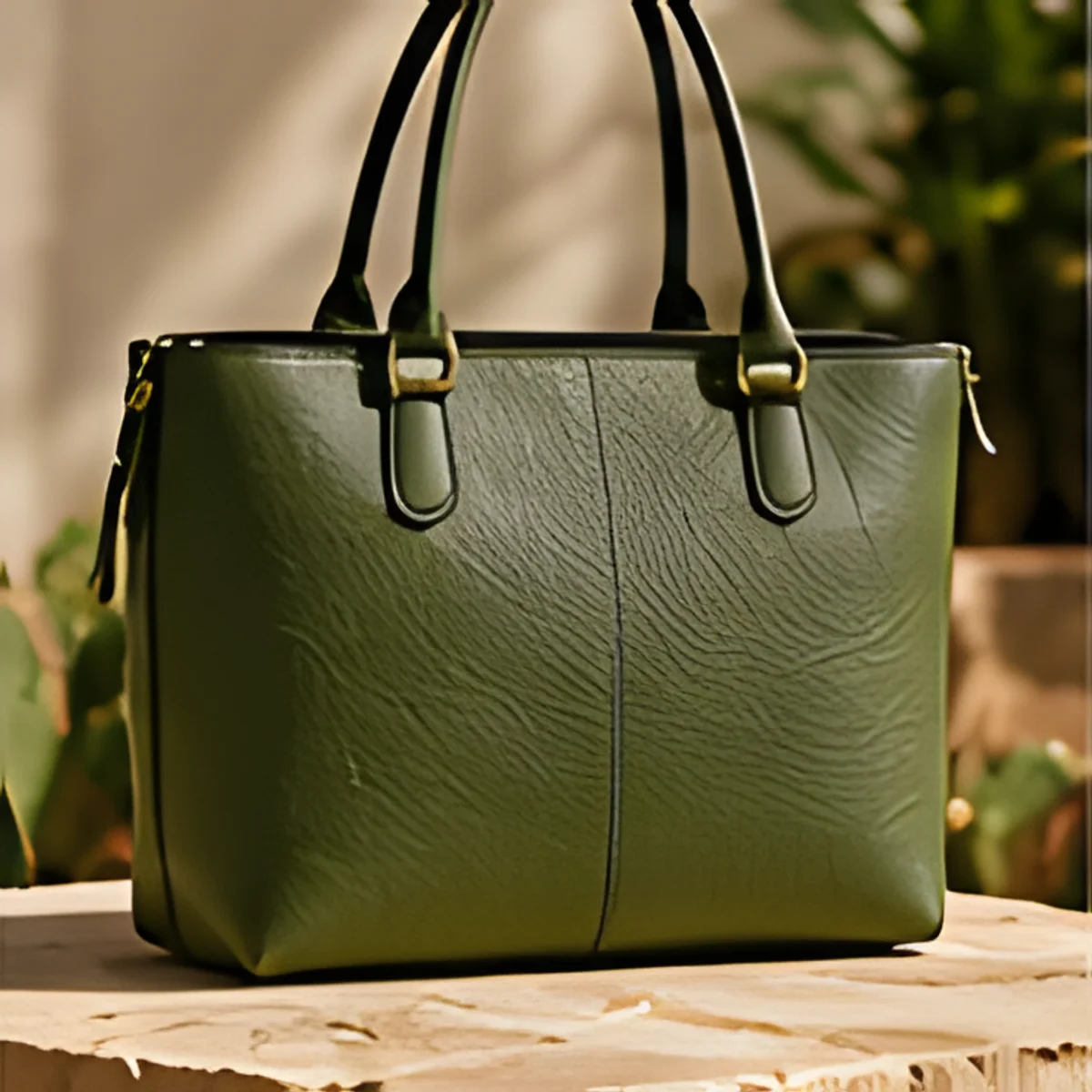
    Cactus Leather Tote in Olive Green, front view

    Cactus Leather Tote

    ₹4,499₹5,499

    Minimal Wallet in Olive Green, front view

    Minimal Wallet

    ₹2,099

    Card Holder in Brown, front view

    Card Holder

    ₹1,499

    How it compares

    We have written a separate, more detailed comparison: Cactus Leather vs Traditional Leather. If you want to understand the production steps first, start with How Is Cactus Leather Made?.