The phrase “vegan leather” covers a wide range of materials, from conventional plastics to newer plant- and fungi-based composites. They are not interchangeable, and labels alone tell you little. Here is a brief map of the main families.
Plant-based composites
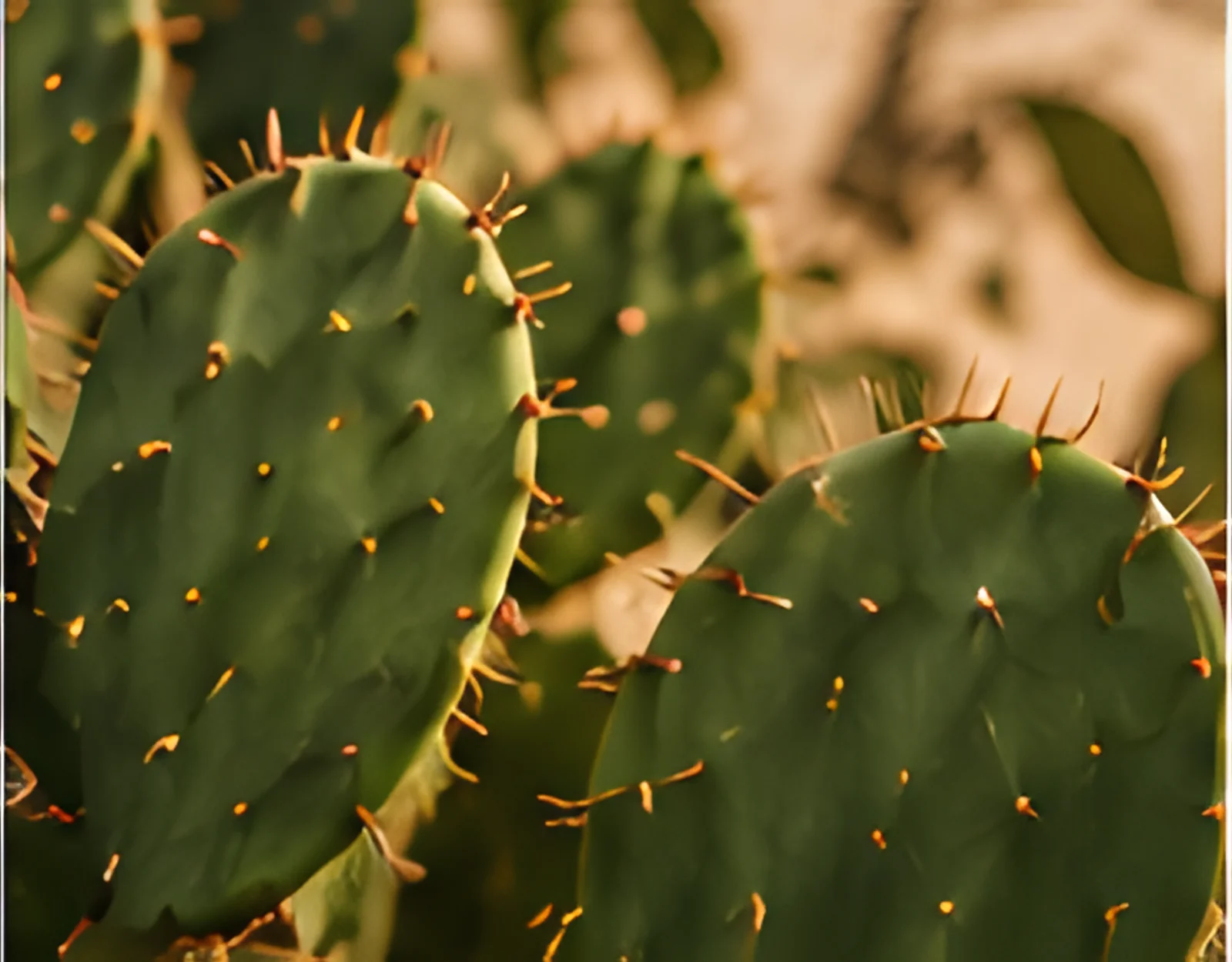
These combine plant material with a binder, usually on a textile backing. Cactus leather uses prickly pear pads. Apple-based materials use residue from apple processing. Pineapple-leaf materials use fibres from leaves left after harvest. Plant content, binder and backing vary from product to product.
Mycelium materials
Grown from the root structure of fungi and then treated and finished. They can produce a leather-like surface with an interesting hand-feel; availability at scale has varied as producers develop the technology.
Conventional synthetics
PU and PVC “leathers” are fully fossil-based plastics. They are inexpensive and consistent but tend to crack and peel over time, and PVC in particular raises additional concerns.
Recycled and reclaimed
Recycled synthetics and reclaimed or deadstock leathers reuse existing material. They can be a good choice, though availability and consistency vary.
Questions worth asking
- What share of the material is plant- or bio-based, and what is the rest?
- What is the backing made from?
- How has the material been tested for abrasion and flexing?
- How is the product built, and can it be repaired?
We chose cactus leather for KAKTS after weighing these questions. You can read about that decision on our Sustainability page.