Tag: leather alternatives

  • Sustainable Alternatives to Traditional Leather

    Sustainable Alternatives to Traditional Leather

    The phrase “vegan leather” covers a wide range of materials, from conventional plastics to newer plant- and fungi-based composites. They are not interchangeable, and labels alone tell you little. Here is a brief map of the main families.

    Plant-based composites

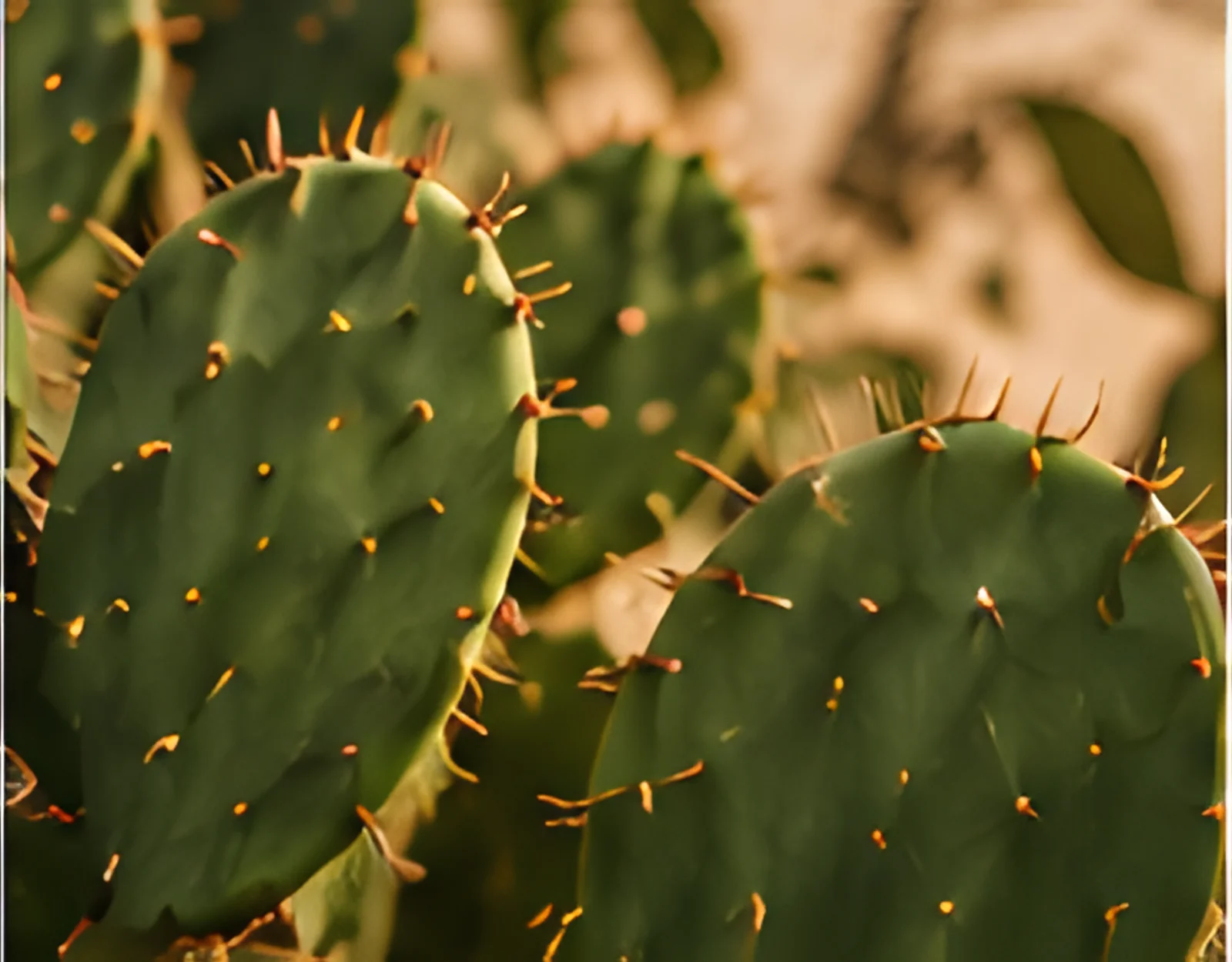
    These combine plant material with a binder, usually on a textile backing. Cactus leather uses prickly pear pads. Apple-based materials use residue from apple processing. Pineapple-leaf materials use fibres from leaves left after harvest. Plant content, binder and backing vary from product to product.

    Mycelium materials

    Grown from the root structure of fungi and then treated and finished. They can produce a leather-like surface with an interesting hand-feel; availability at scale has varied as producers develop the technology.

    Conventional synthetics

    PU and PVC “leathers” are fully fossil-based plastics. They are inexpensive and consistent but tend to crack and peel over time, and PVC in particular raises additional concerns.

    Recycled and reclaimed

    Recycled synthetics and reclaimed or deadstock leathers reuse existing material. They can be a good choice, though availability and consistency vary.

    Questions worth asking

    • What share of the material is plant- or bio-based, and what is the rest?
    • What is the backing made from?
    • How has the material been tested for abrasion and flexing?
    • How is the product built, and can it be repaired?

    We chose cactus leather for KAKTS after weighing these questions. You can read about that decision on our Sustainability page.
  • Cactus Leather vs Traditional Leather

    Cactus Leather vs Traditional Leather

    Neither material is perfect. Animal leather and cactus leather make different trade-offs, and the right choice depends on what you value. Here is how they compare on the questions people most often ask.

    Origin

    Traditional leather is animal hide, preserved through tanning. Cactus leather is a plant-based composite: processed prickly pear combined with a binder on a textile backing. No animal is involved in cactus leather.

    Look and feel

    Animal leather varies from hide to hide — that variation is part of its appeal. Cactus leather is more uniform, with a soft, matte surface and an embossed grain. It is generally lighter for the same thickness.

    Ageing

    Full-grain animal leather develops a patina and can be conditioned, restored and resoled for decades. Cactus leather does not patina in the same way; it tends to keep its original appearance. Over very long periods, coated materials can show wear at folds and edges, and they cannot be reconditioned like hide.

    Water and stains

    The coated surface of cactus leather is generally resistant to light splashes and easy to wipe clean. Untreated animal leathers can mark more easily with water, though many are finished to resist it.

    Care

    Animal leather benefits from occasional conditioning. Cactus leather does not need conditioners, and oils can actually harm the coating — a damp cloth is usually all it needs. See How to Care for Cactus Leather.

    End of life

    This is where honesty matters most. Composite materials — including cactus leather — are difficult to separate and recycle with today’s infrastructure. Animal leather is long-lasting but has its own environmental and ethical questions, particularly around tanning. For both, the most effective lever is the same: make it well and use it for a long time.

    In short

    • Choose cactus leather if you want an animal-free, lightweight, easy-care material with a clean, consistent look.
    • Choose full-grain leather if you want a material that patinas and can be reconditioned over decades.
    • Whichever you choose, look for construction quality — stitching, edges and hardware — because that decides how long a product lasts.