Neither material is perfect. Animal leather and cactus leather make different trade-offs, and the right choice depends on what you value. Here is how they compare on the questions people most often ask, starting with a quick summary.
| Cactus leather | Traditional leather | |
|---|---|---|
| Source | Nopal cactus pads, a binder and a textile backing | Tanned animal hide |
| Animal-free | Yes | No |
| Look | Uniform, matte, embossed grain | Varies hide to hide |
| Weight | Generally lighter | Heavier for the same thickness |
| Ageing | Keeps its original look | Develops a patina |
| Care | Damp cloth, no conditioner | Occasional conditioning |
| Repair | Limited | Can be restored and reconditioned |
| End of life | Composite, hard to recycle | Long-lasting; tanning has its own impact |
Origin
Traditional leather is animal hide, preserved through tanning. Cactus leather is a plant-based composite: processed prickly pear combined with a binder on a textile backing. No animal is involved in cactus leather.
Look and feel
Animal leather varies from hide to hide, and that variation is part of its appeal. Cactus leather is more uniform, with a soft, matte surface and an embossed grain. It is generally lighter for the same thickness, which matters more than you might expect on a bag carried all day.
Ageing
Full-grain animal leather develops a patina and can be conditioned, restored and resoled for decades. Cactus leather does not patina in the same way; it tends to keep its original appearance. Over very long periods, coated materials can show wear at folds and edges, and they cannot be reconditioned like hide.
Water and stains
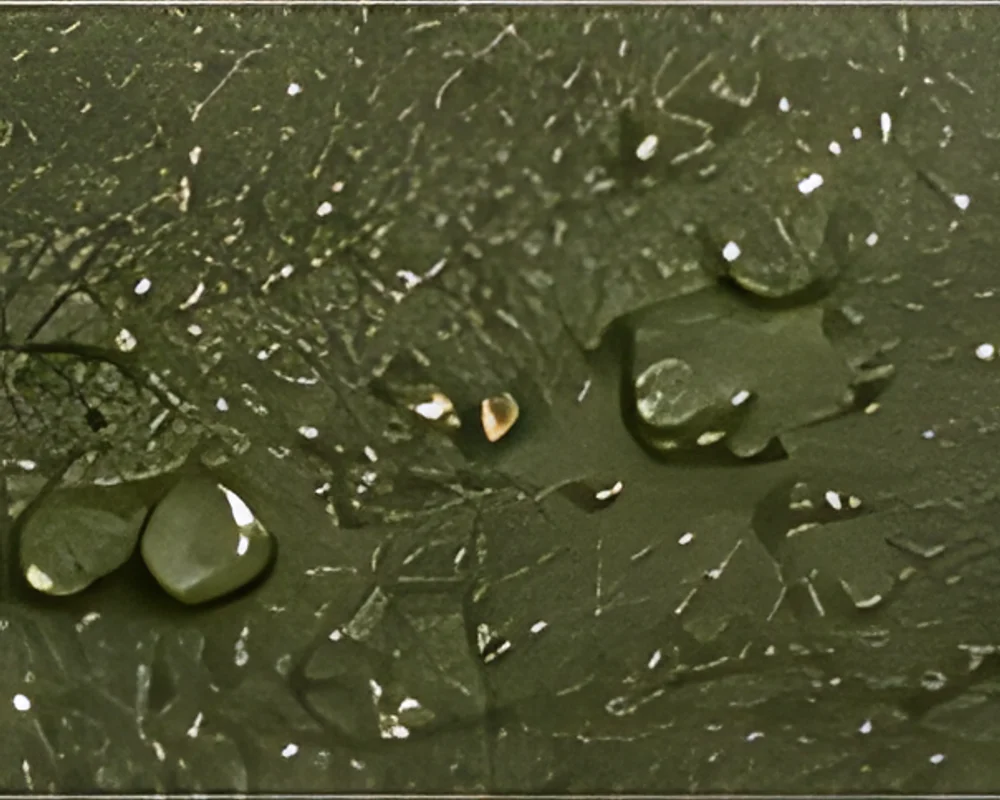
The coated surface of cactus leather is generally resistant to light splashes and easy to wipe clean. Untreated animal leathers can mark more easily with water, though many are finished to resist it. In a monsoon city, that difference is noticeable.
Care
Animal leather benefits from occasional conditioning. Cactus leather does not need conditioners, and oils can actually harm the coating; a damp cloth is usually all it needs. See How to Care for Cactus Leather.
Ethics and environment
For many people, this is the deciding factor. Cactus leather involves no animals. Traditional leather is a by-product of the meat and dairy industries, and most of it is tanned with chromium salts, a process that has caused serious water pollution around tannery clusters when waste is not treated properly. Vegetable-tanned leather avoids chromium but is slower and more expensive to make.
Cactus leather has its own footprint: the binder and backing are often partly synthetic. Its advantage is that part of the material comes from a plant that needs little water and no irrigation.
Price
Good full-grain leather is usually the most expensive option. Cactus leather generally costs more than ordinary PU vegan leather because it is made in smaller volumes, but less than premium full-grain leather. Cheap “genuine leather” and cheap PU are both best avoided if you want something that lasts.
End of life
This is where honesty matters most. Composite materials, including cactus leather, are difficult to separate and recycle with today’s infrastructure. Animal leather is long-lasting but has its own environmental and ethical questions, particularly around tanning. For both, the most effective lever is the same: make it well and use it for a long time.
Which lasts longer?
Well-cared-for full-grain leather can last decades and be repaired along the way. Cactus leather will not match that for repairability, but a well-made cactus leather bag is designed for years of daily use. In practice, construction decides more than material: a cheap leather bag with weak stitching will fail before a well-built cactus leather one. We explain what to look for in Is Cactus Leather Durable?
In short
- Choose cactus leather if you want an animal-free, lightweight, easy-care material with a clean, consistent look.
- Choose full-grain leather if you want a material that patinas and can be reconditioned over decades.
- Whichever you choose, look for construction quality, meaning stitching, edges and hardware, because that decides how long a product lasts.
Comparing cactus leather with other vegan leathers instead? Read what is vegan leather?, or browse our cactus leather bags.