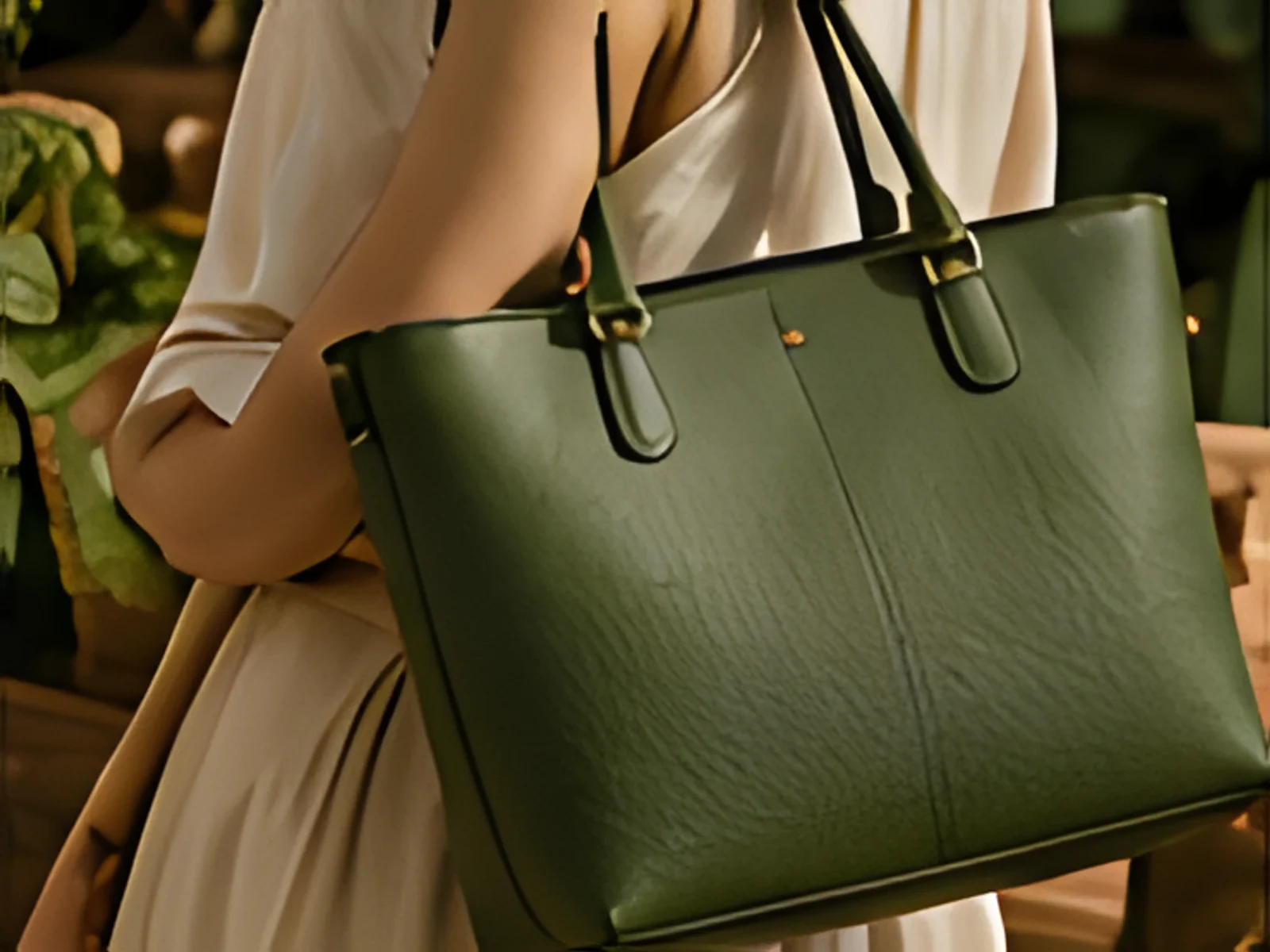
Tag: cactus leather

  • How to Care for Cactus Leather

    How to Care for Cactus Leather

    Cactus leather is low-maintenance. It does not need conditioning, and most care comes down to gentle cleaning and sensible storage. This guide covers everyday cleaning, stains, Indian weather and long-term storage.

    Everyday cleaning

    • Brush off dust or crumbs with a soft dry cloth.
    • Wipe the surface with a soft cloth lightly dampened with water.
    • For stubborn marks, add a drop of mild, pH-neutral soap to the water, then wipe again with clean water.
    • Pat dry and let the piece air dry fully.

    Once a week is plenty for a bag used daily. Wallets and card holders need it less often.

    What to avoid

    • Solvents, alcohol-based wipes and household cleaners.
    • Leather conditioners, oils and waxes, which are formulated for hide, not coated materials.
    • Abrasive sponges and stiff brushes.
    • Direct heat: radiators, hair dryers and long periods in a hot car.

    Dealing with common stains

    • Food and drink: wipe as soon as possible with a damp cloth, then with a drop of mild soap if a mark remains.
    • Oil or grease: blot (do not rub) with a dry paper towel to lift as much as possible, then clean with mild soapy water.
    • Ink: wipe gently with mild soapy water. Do not use alcohol or hand sanitiser, which can damage the surface. Some ink marks will not come out completely.
    • Make-up: wipe with mild soapy water. Avoid make-up remover, which often contains oils or solvents.

    Always test a cleaning method on a hidden area first, such as the base or inside a flap.

    If it gets wet

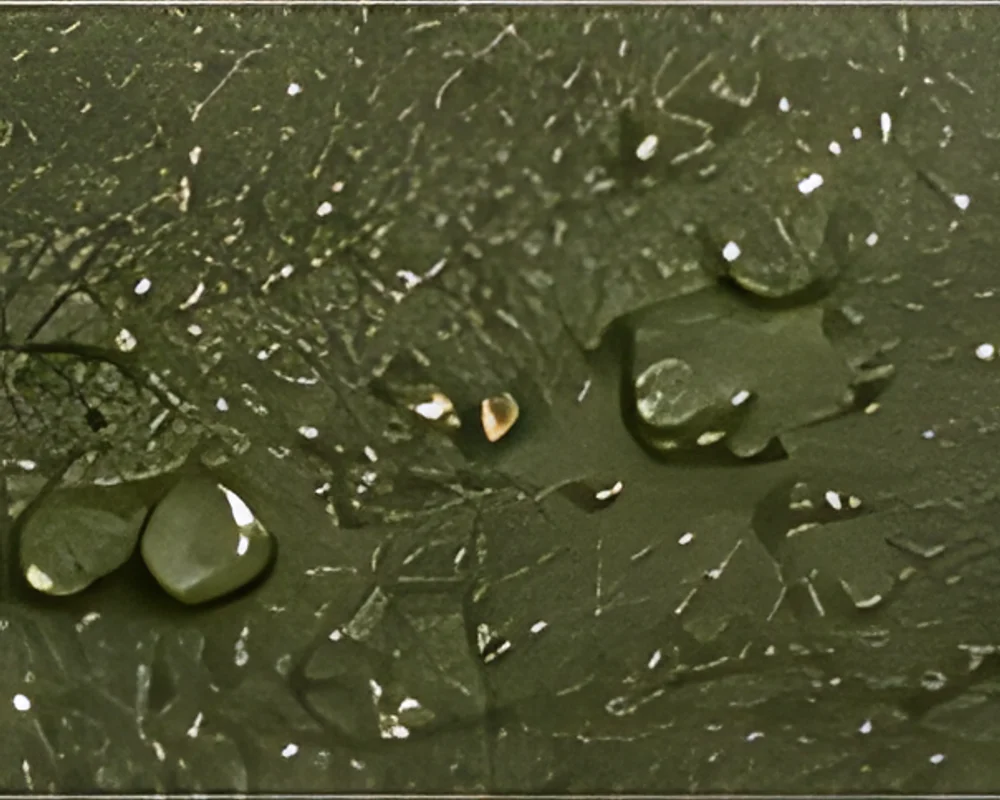
    Blot off water with a dry cloth, stuff the bag loosely with paper to hold its shape, and let it dry at room temperature away from direct sunlight.

    Caring for cactus leather in Indian weather

    Monsoon

    The coated surface handles rain well, but the textile backing and lining can hold moisture. After a wet day, empty the bag, wipe it down and leave it open to air-dry. Do not store it damp or sealed in a plastic cover, because trapped humidity can cause mildew and a musty smell. A sachet of silica gel inside a stored bag helps.

    Summer

    Heat is the biggest risk to any coated material. Keep bags out of parked cars, off dashboards and away from long periods of direct afternoon sun. Strong heat can soften the coating and make it more likely to crack later.

    Dust

    Dust settles quickly in north Indian cities. A dry cloth before a damp one stops grit from being rubbed into the surface.

    Hardware and lining

    Wipe metal hardware with a dry cloth so it does not tarnish. To clean the lining, empty the bag, shake out crumbs, and wipe with a slightly damp cloth. Let it dry fully before closing it.

    Storage

    Store bags stuffed, upright and in their dust bag. Avoid hanging heavy bags by their handles for long periods, and avoid folding structured pieces. Keep wallets and card holders away from sharp keys in the same pocket.

    For long-term storage, such as a bag you only use for travel, clean it first, stuff it with acid-free paper, keep it in a breathable dust bag and check it every couple of months.

    Frequently asked questions

    Can I use leather conditioner on cactus leather?

    No. Conditioners are made for animal hide and can damage the coating on cactus leather.

    Can I put cactus leather in the washing machine?

    No. Washing machines soak and fold the material, which can damage both the coating and the backing. Spot-clean by hand instead.

    How do I remove a smell from a bag?

    Air it out, open and empty, in a shaded and ventilated spot. A sachet of baking soda or silica gel inside for a day or two helps absorb odour.

    Need help?

    If a KAKTS piece develops an issue, contact us with a photo. We would rather help you keep it in use than replace it.

    Read next: Is Cactus Leather Durable? or our guide what is vegan leather?
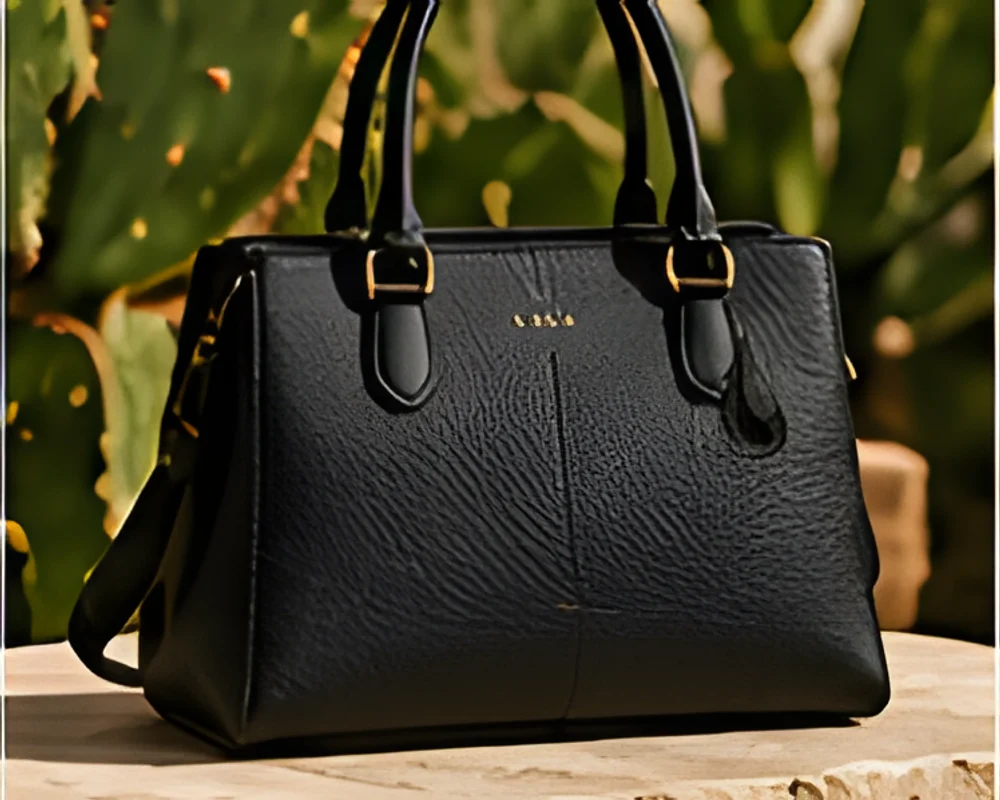
  • Is Cactus Leather Durable?

    Is Cactus Leather Durable?

    Short answer: good cactus leather is durable enough for everyday bags and small goods. The longer answer is that durability depends on three things: the material formulation, the way the product is built, and how it is used.

    The material

    A cactus leather’s resistance to abrasion, flexing and tearing comes from its coating and its backing. Suppliers test materials against standard methods for these properties; when a brand quotes results, it is reasonable to ask which standard was used.

    For reference, Desserto, the Mexican company that developed the first commercial cactus leather, reports a tested durability of around ten years for its material. Treat any figure like this as a supplier claim about the material under test conditions. How long a particular bag lasts still depends on how it is made and used.

    The construction

    In practice, products rarely fail in the middle of a panel. They fail at stress points. These are the details we pay most attention to:

    • Folded and stitched edges instead of raw cut edges, so the backing is never exposed.
    • Reinforced handle attachments, where the load of a full bag is concentrated.
    • Base panels that stop structured bags from sagging and creasing.
    • Stitch density that holds seams without perforating the material too closely.

    The use

    Like any coated material, cactus leather dislikes sustained heat, solvents and sharp creasing. Stored sensibly and wiped clean occasionally, it should stay in good shape through years of regular use.

    Does cactus leather crack or peel?

    Any coated material can crack or peel if it is stressed in the wrong way, and cactus leather is no exception. The usual causes are:

    • Heat: leaving a bag in a parked car or in direct summer sun softens the coating.
    • Solvents: alcohol-based sanitiser, nail-polish remover and household cleaners attack the surface.
    • Sharp, repeated folds: a wallet stuffed past capacity, or a structured bag folded flat for storage.
    • Raw edges: where the backing is exposed, moisture and friction can lift the coating.

    Avoid these and the material has a much better chance of lasting. Cheap PU and PVC are far more prone to peeling than good plant-based materials, which is one reason the “vegan leather peels” reputation exists. Our guide what is vegan leather? explains the difference between them.
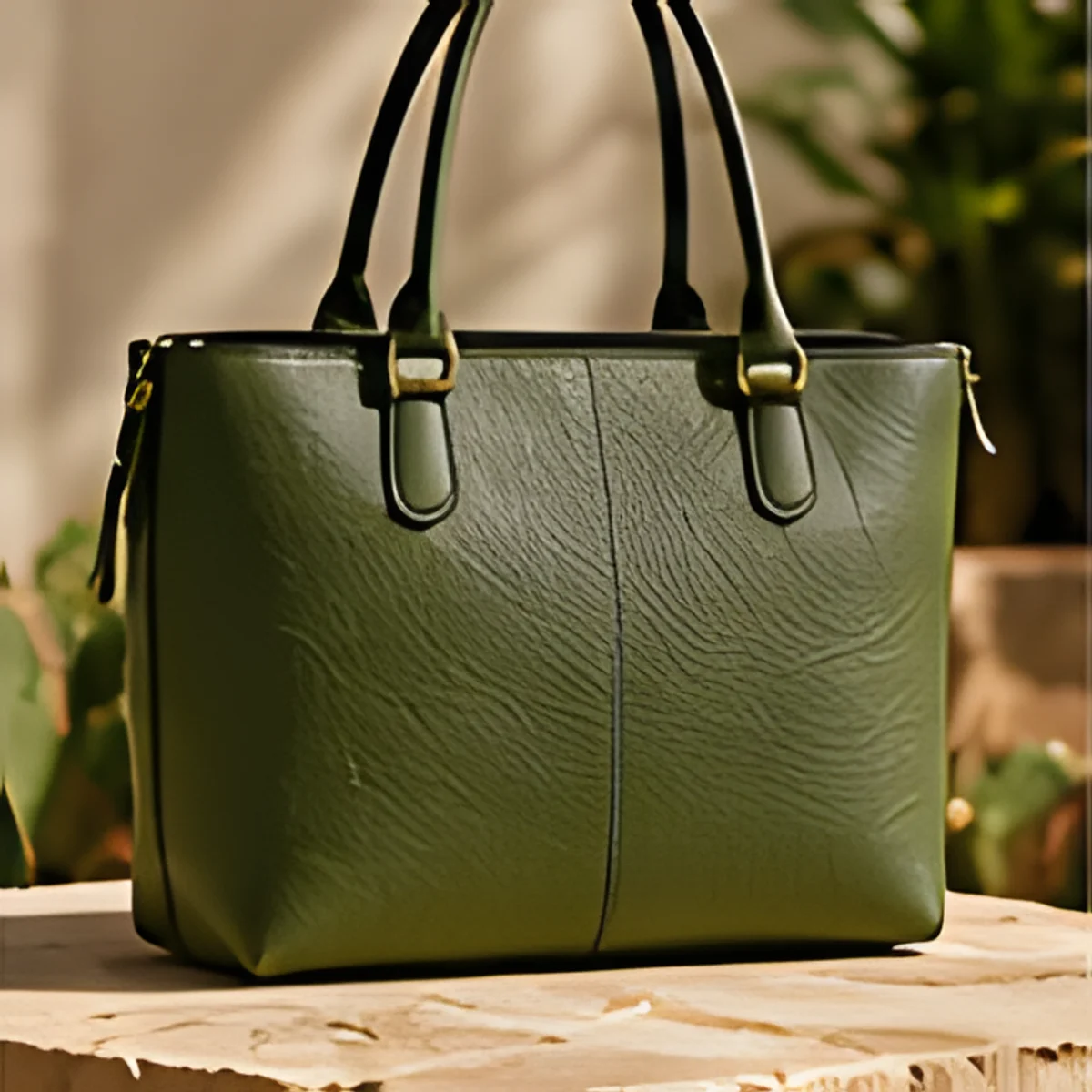
    How to judge durability before you buy

    1. Look at the edges. Are they folded, stitched or painted? Can you see a fabric layer?
    2. Check the handle and strap anchors. Are they stitched through several layers, or only through one?
    3. Feel the base. A structured bag should have a firm base panel that stops it from sagging.
    4. Look at the stitching. It should be even, without loose threads, and not so tight that the holes nearly join.
    5. Ask about the material. A brand that knows its supplier can tell you the backing, binder and testing.

    Scratches and scuffs

    The coated surface resists light scuffs, and most marks wipe off with a damp cloth. Sharp objects such as keys can still cut or scratch it, so keep them in a separate pocket. Unlike full-grain leather, deep scratches cannot be buffed out, so prevention matters more than repair.

    Signs of wear and what to do

    Light marks at corners are normal on a bag carried every day. If you see the coating lifting at an edge, stop using solvents or heat near it and keep the area clean and dry. Small issues caught early are easier to deal with than large ones.

    Frequently asked questions

    How long does cactus leather last?

    It depends on construction and use as much as on the material. A well-made cactus leather bag is designed for years of daily use; the material supplier Desserto reports around ten years of tested durability for its material.

    Is cactus leather stronger than PU leather?

    Good cactus leather is generally designed to be more durable than cheap PU, but both vary widely. Construction quality is usually the bigger factor.

    Is cactus leather good for wallets?

    Yes, as long as the edges are finished and you do not overfill it. See our vegan leather wallets for what to look for.

    Built for daily carry

    Read how to care for cactus leather to keep yours in shape, or see the pieces below.

  • Cactus Leather vs Traditional Leather

    Cactus Leather vs Traditional Leather

    Neither material is perfect. Animal leather and cactus leather make different trade-offs, and the right choice depends on what you value. Here is how they compare on the questions people most often ask, starting with a quick summary.

    Cactus leatherTraditional leather
    SourceNopal cactus pads, a binder and a textile backingTanned animal hide
    Animal-freeYesNo
    LookUniform, matte, embossed grainVaries hide to hide
    WeightGenerally lighterHeavier for the same thickness
    AgeingKeeps its original lookDevelops a patina
    CareDamp cloth, no conditionerOccasional conditioning
    RepairLimitedCan be restored and reconditioned
    End of lifeComposite, hard to recycleLong-lasting; tanning has its own impact

    Origin

    Traditional leather is animal hide, preserved through tanning. Cactus leather is a plant-based composite: processed prickly pear combined with a binder on a textile backing. No animal is involved in cactus leather.

    Look and feel

    Animal leather varies from hide to hide, and that variation is part of its appeal. Cactus leather is more uniform, with a soft, matte surface and an embossed grain. It is generally lighter for the same thickness, which matters more than you might expect on a bag carried all day.

    Ageing

    Full-grain animal leather develops a patina and can be conditioned, restored and resoled for decades. Cactus leather does not patina in the same way; it tends to keep its original appearance. Over very long periods, coated materials can show wear at folds and edges, and they cannot be reconditioned like hide.

    Water and stains

    The coated surface of cactus leather is generally resistant to light splashes and easy to wipe clean. Untreated animal leathers can mark more easily with water, though many are finished to resist it. In a monsoon city, that difference is noticeable.

    Care

    Animal leather benefits from occasional conditioning. Cactus leather does not need conditioners, and oils can actually harm the coating; a damp cloth is usually all it needs. See How to Care for Cactus Leather.

    Ethics and environment

    For many people, this is the deciding factor. Cactus leather involves no animals. Traditional leather is a by-product of the meat and dairy industries, and most of it is tanned with chromium salts, a process that has caused serious water pollution around tannery clusters when waste is not treated properly. Vegetable-tanned leather avoids chromium but is slower and more expensive to make.

    Cactus leather has its own footprint: the binder and backing are often partly synthetic. Its advantage is that part of the material comes from a plant that needs little water and no irrigation.

    Price

    Good full-grain leather is usually the most expensive option. Cactus leather generally costs more than ordinary PU vegan leather because it is made in smaller volumes, but less than premium full-grain leather. Cheap “genuine leather” and cheap PU are both best avoided if you want something that lasts.

    End of life

    This is where honesty matters most. Composite materials, including cactus leather, are difficult to separate and recycle with today’s infrastructure. Animal leather is long-lasting but has its own environmental and ethical questions, particularly around tanning. For both, the most effective lever is the same: make it well and use it for a long time.

    Which lasts longer?

    Well-cared-for full-grain leather can last decades and be repaired along the way. Cactus leather will not match that for repairability, but a well-made cactus leather bag is designed for years of daily use. In practice, construction decides more than material: a cheap leather bag with weak stitching will fail before a well-built cactus leather one. We explain what to look for in Is Cactus Leather Durable?

    In short

    • Choose cactus leather if you want an animal-free, lightweight, easy-care material with a clean, consistent look.
    • Choose full-grain leather if you want a material that patinas and can be reconditioned over decades.
    • Whichever you choose, look for construction quality, meaning stitching, edges and hardware, because that decides how long a product lasts.

    Comparing cactus leather with other vegan leathers instead? Read what is vegan leather?, or browse our cactus leather bags.

  • How Is Cactus Leather Made?

    How Is Cactus Leather Made?

    Every cactus leather supplier has its own process, and the specifics are usually proprietary. The broad stages, however, are consistent enough to describe. This is the sequence most cactus leathers follow, from a cactus field to a finished bag.

    Why the nopal cactus?

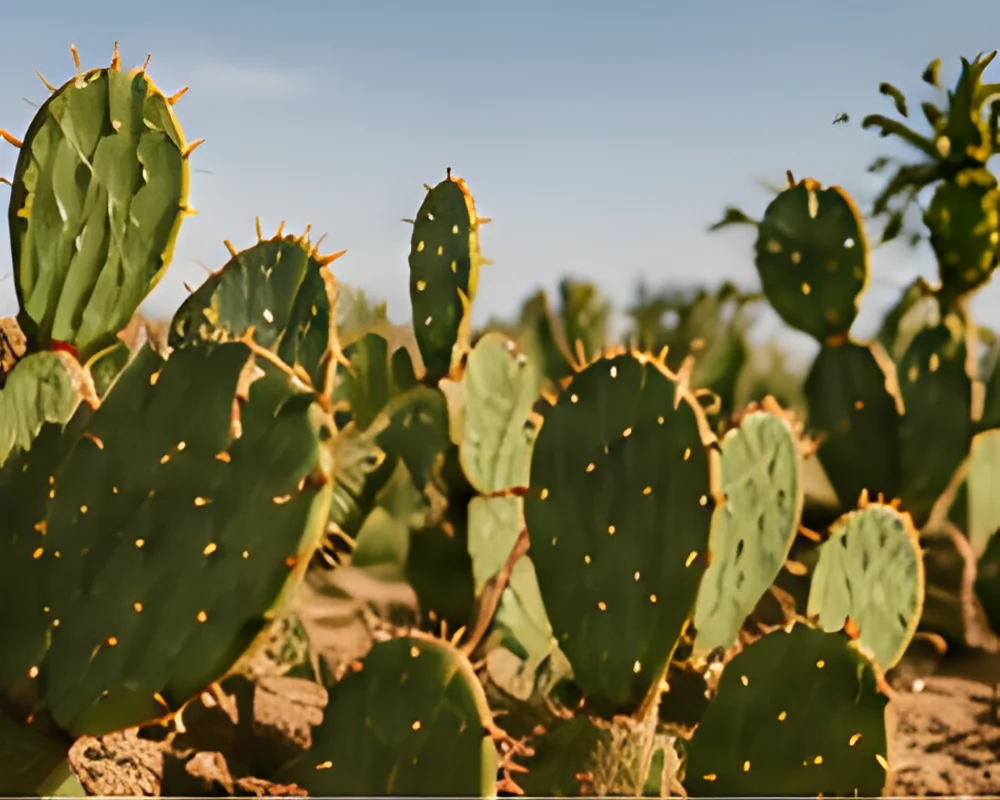
    Cactus leather is made from the nopal, or prickly pear (Opuntia), a cactus native to Mexico that is also grown as food. Three things make it attractive as a raw material. It grows well in dry conditions and draws much of its water from rain and the humidity in the air, so it does not need irrigation. Only mature pads are harvested, so the plant is not uprooted. And it keeps producing new pads, so the same plants can be harvested season after season.

    1. Harvesting the pads

    Mature pads are cut from the prickly pear plant. Because the plant keeps growing from the base and remaining pads, harvesting selected pads does not require removing the whole plant. Prickly pear is also known for tolerating dry conditions, which is part of why it attracts interest as a material source.

    2. Cleaning and processing

    The pads are cleaned and processed, typically cut down and mashed, to break the plant structure into a workable form.

    3. Drying

    The processed material is dried until it reaches a suitable moisture level. Some suppliers describe sun-drying for several days; others use controlled drying. The goal is a stable plant material that can be blended consistently.

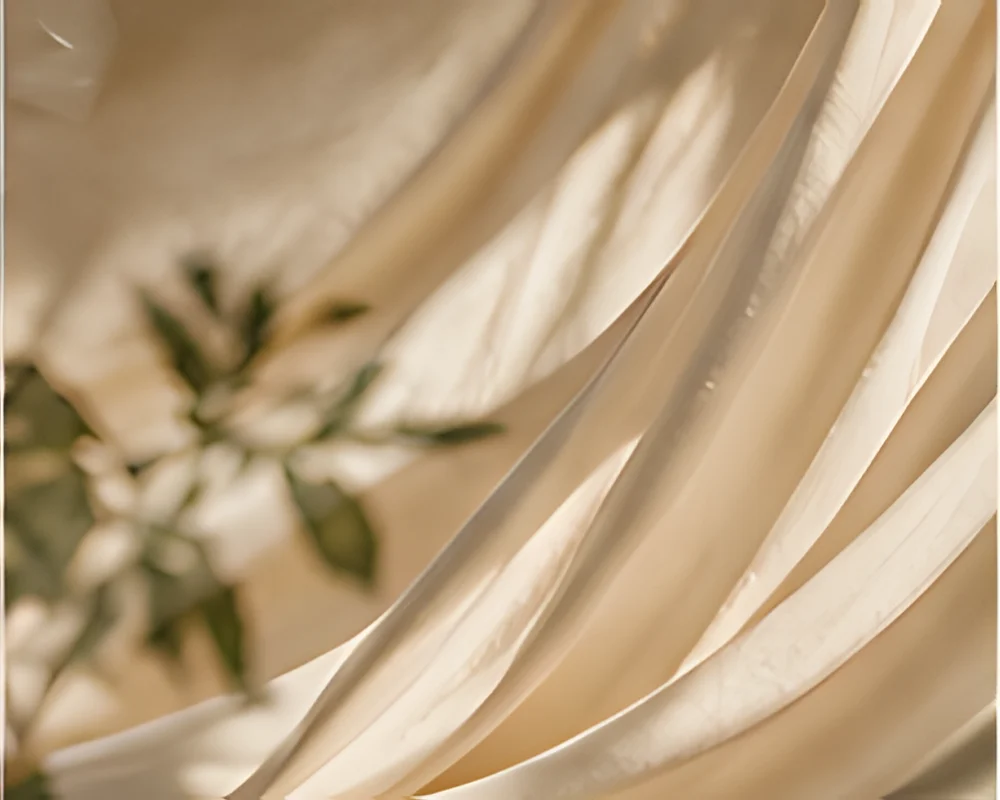
    Soft, natural-toned material draped in sunlight
    Soft, flexible material, ready to be formulated and coated.

    4. Formulation

    The dried plant material is combined with a binder and other additives, such as pigments, to create a coating compound. The binder determines much of the final material’s flexibility, abrasion resistance and longevity.

    5. Coating onto a backing

    The compound is applied in layers onto a textile backing and cured. The backing provides structure and tear strength; the coating provides the surface you see and touch.

    6. Finishing

    Finally the surface is embossed with a grain, given its colour and finish, inspected and rolled. From here it behaves much like any other sheet material in a workshop: it is cut to pattern, edge-finished and stitched.

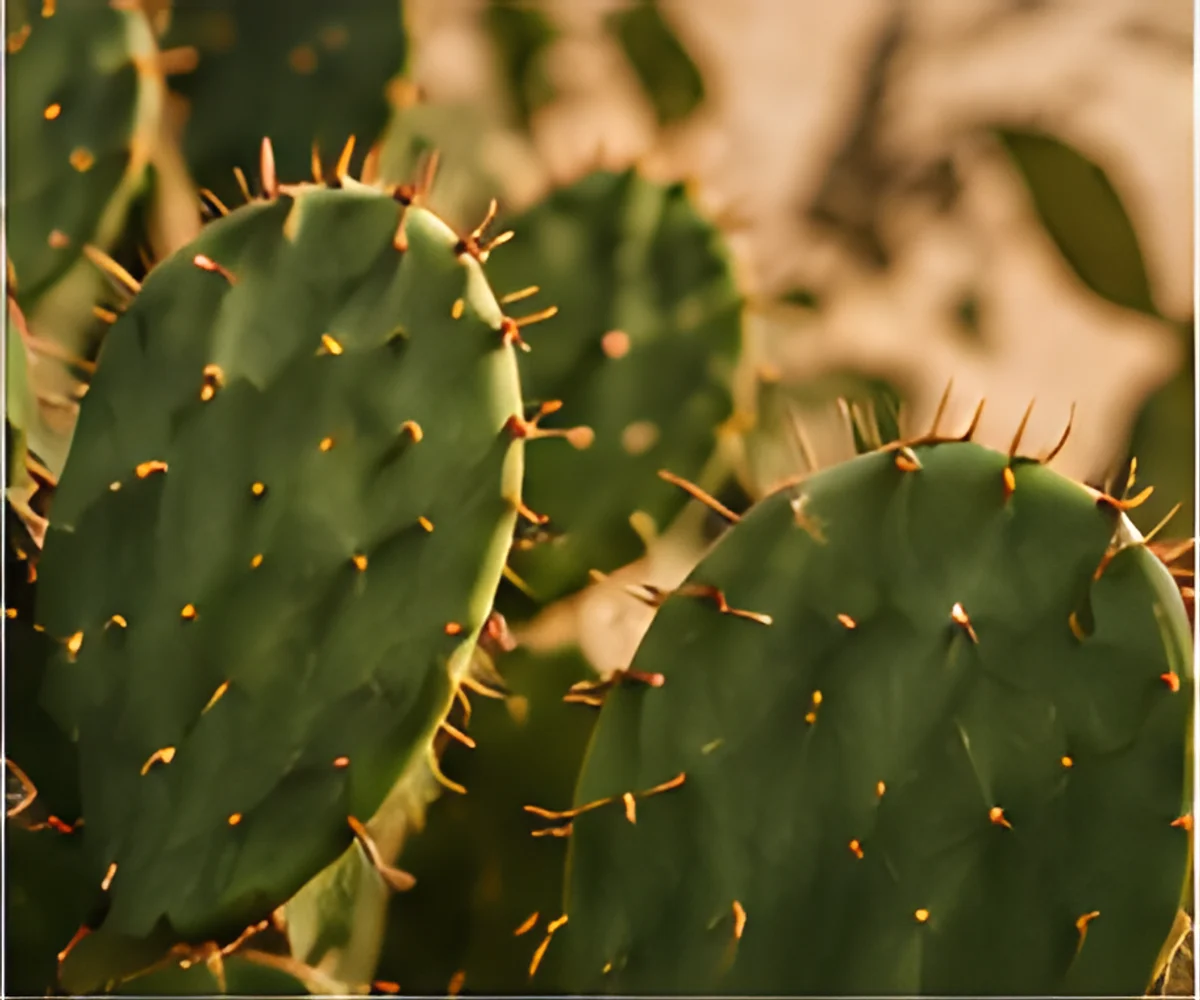
    Close-up of the grain of finished green cactus leather
    The finished surface: an embossed grain on a flexible sheet.

    From roll to bag

    Turning a roll of cactus leather into a product is where much of its durability is decided. At KAKTS, the details we focus on are:

    • Cutting: pattern pieces are laid out to keep the grain direction consistent across a bag.
    • Edges: edges are folded and stitched, or painted, so the textile backing is never left exposed.
    • Reinforcement: handle anchors, strap joins and bases get extra layers, because those are the points that carry load.
    • Lining: a recycled polyester twill lining protects the inside of the material.

    What this means for products

    • Thickness and colour are consistent across a roll, which makes clean, structured shapes easier.
    • Edges are usually folded or painted, because a raw cut shows the backing layer.
    • Performance depends heavily on the specific formulation, which is why it is worth asking brands what they use.

    Questions to ask a brand

    Because the process varies, a few questions quickly tell you how much a brand knows about its material:

    • What percentage of the material is plant-derived, and what is the binder?
    • What is the backing made from?
    • Has the material been tested for abrasion and flexing, and against which standard?
    • How are the edges finished?

    Frequently asked questions

    Is the cactus killed to make cactus leather?

    No. Only mature pads are cut, and the plant keeps growing new ones, so it can be harvested again.

    Does making cactus leather use chemicals?

    Yes. The plant material has to be combined with a binder and pigments to become a usable coating, and the sheet is finished with a surface coat. That is why cactus leather is described as plant-based, not 100% natural.

    Is cactus leather made in India?

    Cactus leather was first developed in Mexico, but it is now also produced elsewhere, including by manufacturers in India.

    Read next: Is Cactus Leather Durable?, or step back to the bigger picture with what is vegan leather?

  • What Is Cactus Leather?

    What Is Cactus Leather?

    Cactus leather is a plant-based material designed to look and handle like leather. It is made using the pads (often called leaves) of the prickly pear cactus, Opuntia, which are processed and combined with other components to form a flexible, durable sheet.

    It is not leather in the traditional sense, since there is no animal hide involved, and it is not simply dried cactus either. Understanding what sits between those two ideas is the most useful way to understand the material.

    Where cactus leather comes from

    Cactus leather is a recent invention. The first commercial version was developed in Mexico by the company Desserto and shown publicly in 2019. It uses the nopal, or prickly pear, a cactus that is native to Mexico and widely grown there as food. Since then, other suppliers have developed their own cactus-based materials, including manufacturers in India.

    The appeal is the plant itself. Nopal grows well in dry conditions, draws much of its water from rain and humidity rather than irrigation, and grows new pads after mature ones are cut, so the same plant can be harvested repeatedly.

    What it is made from

    Most cactus leathers follow the same broad structure. Mature cactus pads are harvested, cleaned, processed and dried. The resulting plant material is combined with a binder and formed into a coating, which is applied to a textile backing for strength.

    • Plant content: processed prickly pear pads, which give the material its name and part of its character.
    • Binder: a polymer that holds the plant material together. Many suppliers use partly bio-based formulations; the exact composition varies by supplier.
    • Backing: a woven or knitted textile that gives the sheet tensile strength and tear resistance.

    An honest note

    Cactus leather is a composite. It is plant-based, but it is not 100% plant. When you see claims about a specific product, the most useful questions are what the binder is, what the backing is, and what share of the material is plant-derived.

    How it feels

    Good cactus leather has a soft, slightly matte surface with a fine grain. It is typically lighter than comparable animal leather and has a consistent appearance across a sheet, since it does not carry the natural marks of a hide.

    It also behaves differently over time. Animal leather develops a patina as oils and handling change its surface. Cactus leather tends to keep its original look for longer, which some people prefer and others miss.

    Where it is used

    Because it can be produced in rolls with predictable thickness and colour, cactus leather suits structured, cut-and-sewn products: bags, wallets, card holders, straps, footwear uppers and upholstery panels. It has also been used in car interiors.

    Made in cactus leather

    Cactus Leather Tote in Olive Green, front view

    Cactus Leather Tote

    ₹4,499₹5,499

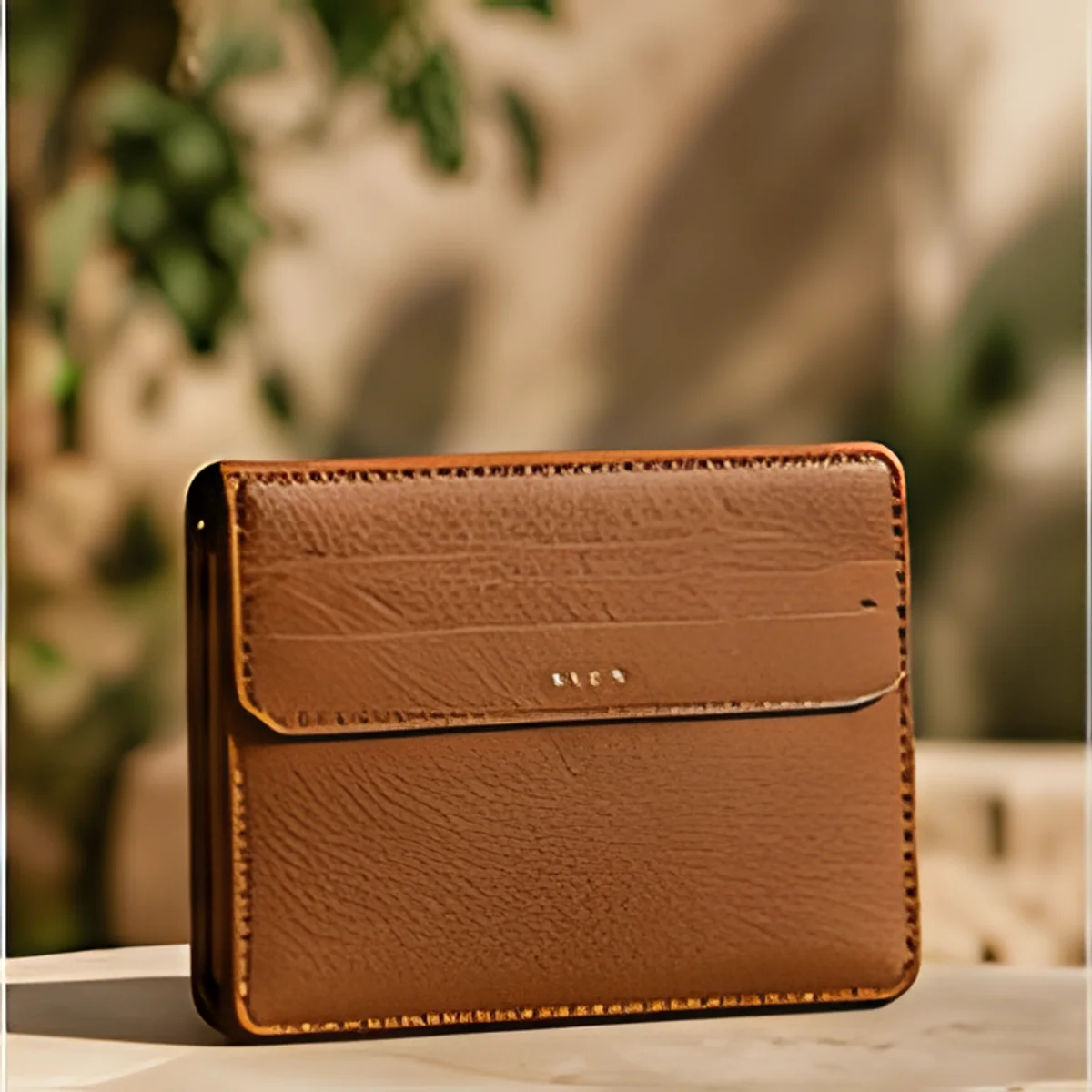
    Card Holder in Brown, front view

    Card Holder

    ₹1,499

    Cactus leather pros and cons

    What it does well

    • Animal-free and cruelty-free.
    • Part of the material comes from a renewable, low-water plant.
    • Light, consistent in colour and grain, and easy to cut into clean shapes.
    • Wipes clean and never needs conditioning.

    Where it falls short

    • It is still a composite, so it is not fully biodegradable and is hard to recycle.
    • It does not develop a patina or soften like full-grain leather.
    • It costs more than ordinary PU vegan leather.
    • Quality varies between suppliers, so the brand’s construction matters a lot.

    Cactus leather vs other vegan leathers

    Most products sold as “vegan leather” are PU or PVC, which are fully plastic. Cactus leather belongs to the newer group of plant-based leathers, along with apple, pineapple-leaf and cork-based materials, which replace part of the plastic with plant material. Our guide what is vegan leather? compares all of them.
    Frequently asked questions

    Is cactus leather real leather?

    No. Leather means animal hide. Cactus leather is a plant-based alternative that is designed to look and handle like leather.

    Why is cactus leather more expensive than PU?

    It is made in much smaller volumes than PU, the plant material has to be harvested, dried and processed before it can be used, and the material is still relatively new. All of these add cost.

    What are the disadvantages of cactus leather?

    It is a composite rather than a pure plant material, it does not age with a patina, and it can be damaged by solvents and strong heat. It is also harder to recycle at the end of its life.

    Is cactus leather sustainable?

    It is more sustainable than fully plastic alternatives and avoids the animal and tanning footprint of leather, but it is not impact-free. We go through the details on our sustainability page.

    How it compares

    We have written a separate, more detailed comparison: Cactus Leather vs Traditional Leather. If you want to understand the production steps first, start with How Is Cactus Leather Made?