Category: Material

  • Is Cactus Leather Durable?

    Is Cactus Leather Durable?

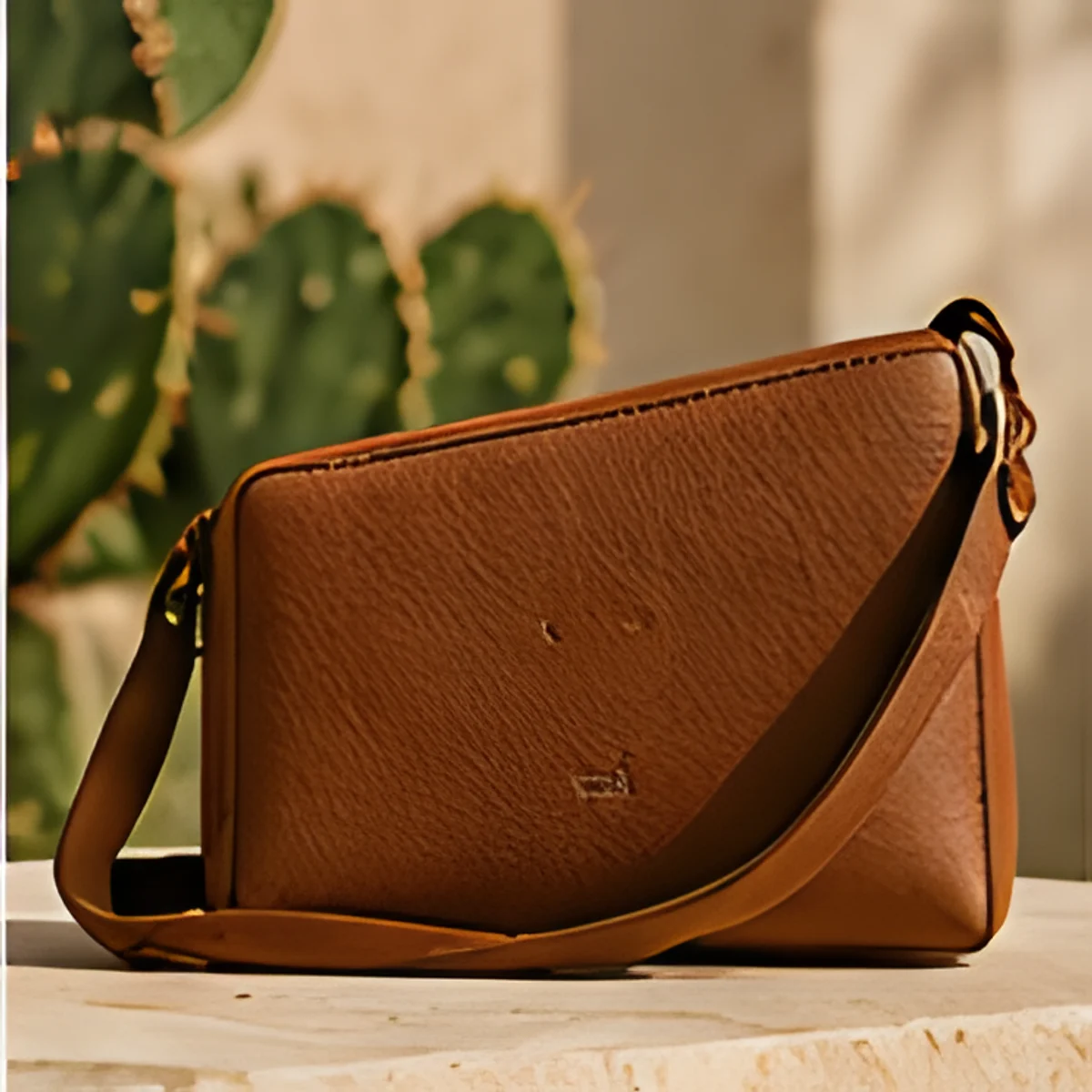
    Short answer: good cactus leather is durable enough for everyday bags and small goods. The longer answer is that durability depends on three things — the material formulation, the way the product is built, and how it is used.

    The material

    A cactus leather’s resistance to abrasion, flexing and tearing comes from its coating and its backing. Suppliers test materials against standard methods for these properties; when a brand quotes results, it is reasonable to ask which standard was used.

    The construction

    In practice, products rarely fail in the middle of a panel. They fail at stress points. These are the details we pay most attention to:

    • Folded and stitched edges instead of raw cut edges, so the backing is never exposed.
    • Reinforced handle attachments, where the load of a full bag is concentrated.
    • Base panels that stop structured bags from sagging and creasing.
    • Stitch density that holds seams without perforating the material too closely.

    The use

    Like any coated material, cactus leather dislikes sustained heat, solvents and sharp creasing. Stored sensibly and wiped clean occasionally, it should stay in good shape through years of regular use.
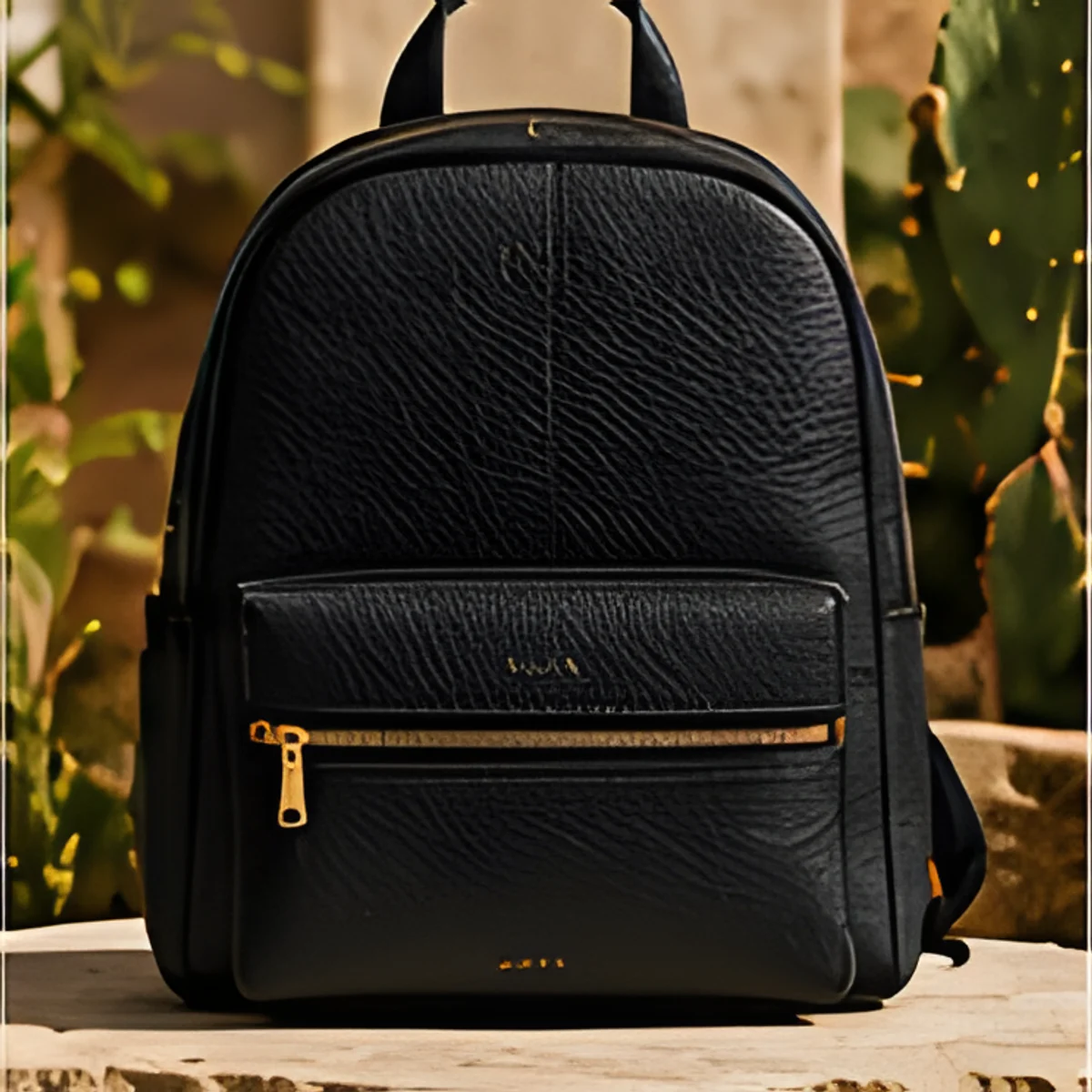
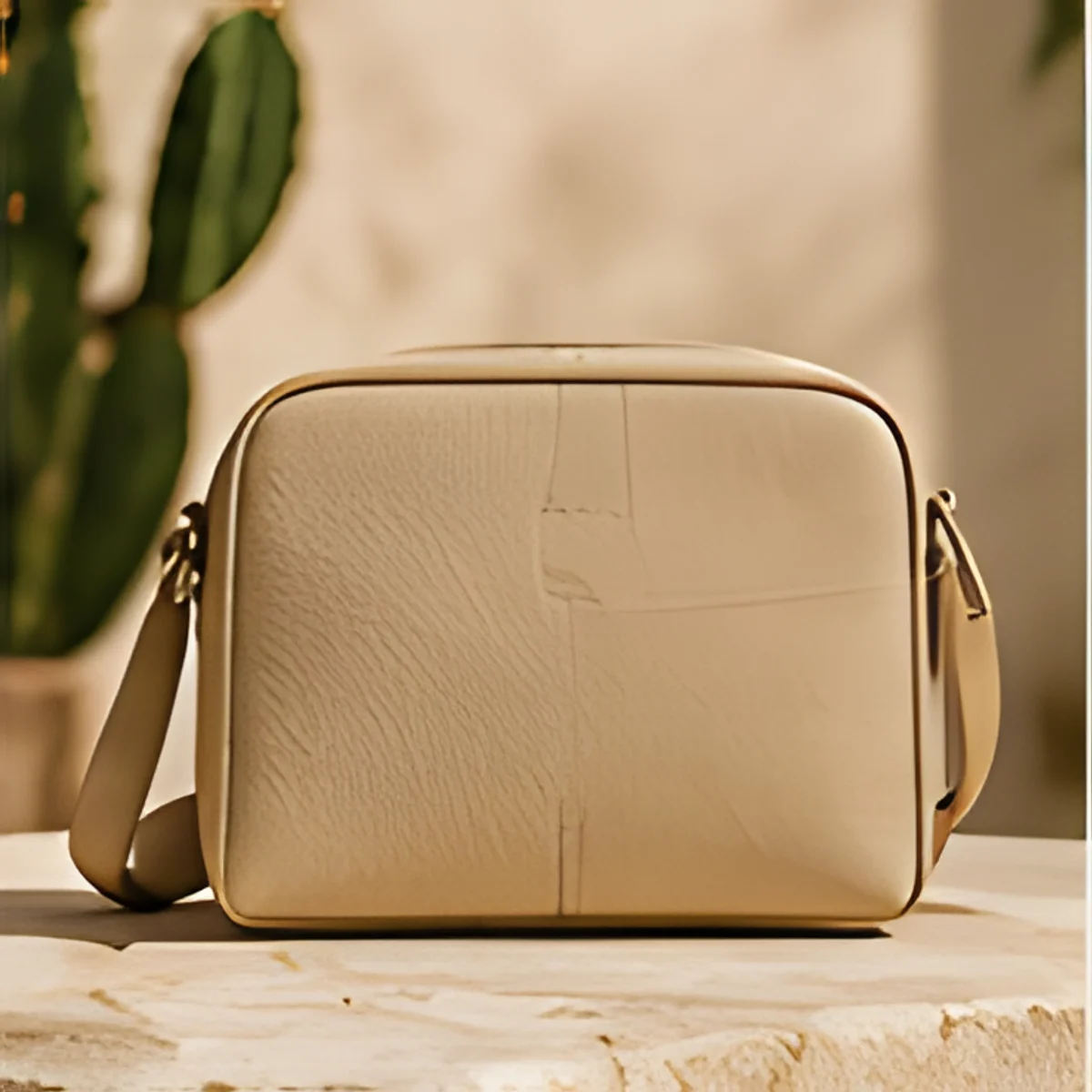
    Built for daily carry

  • How Is Cactus Leather Made?

    How Is Cactus Leather Made?

    Every cactus leather supplier has its own process, and the specifics are usually proprietary. The broad stages, however, are consistent enough to describe. This is the sequence most cactus leathers follow.

    1. Harvesting the pads

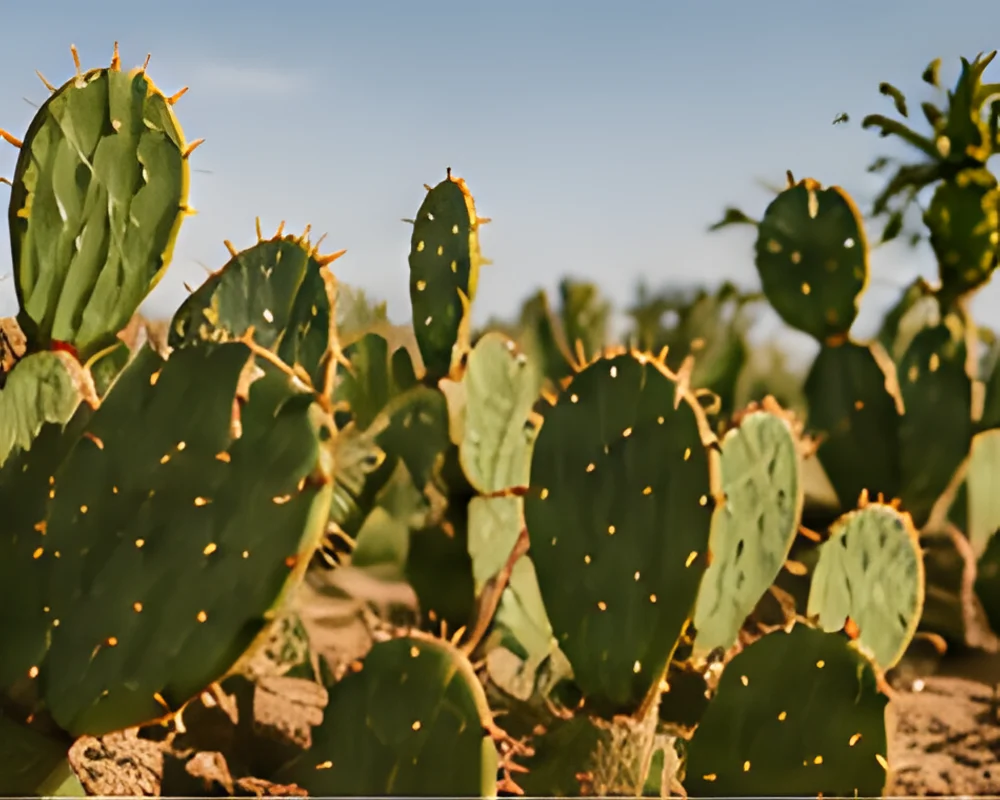
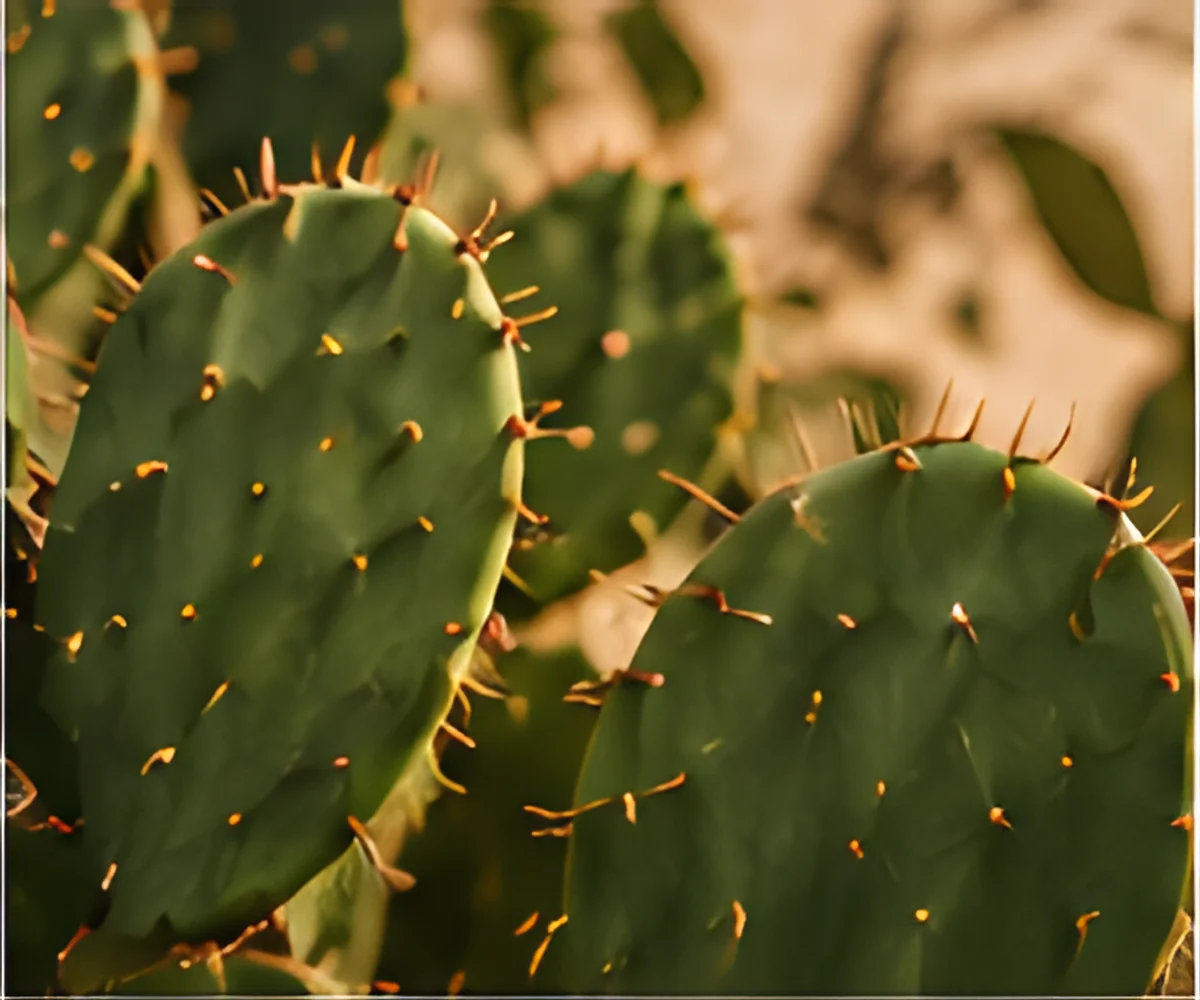
    Mature pads are cut from the prickly pear plant. Because the plant keeps growing from the base and remaining pads, harvesting selected pads does not require removing the whole plant. Prickly pear is also known for tolerating dry conditions, which is part of why it attracts interest as a material source.

    2. Cleaning and processing

    The pads are cleaned and processed — typically cut down and mashed — to break the plant structure into a workable form.

    3. Drying

    The processed material is dried until it reaches a suitable moisture level. Some suppliers describe sun-drying; others use controlled drying. The goal is a stable plant material that can be blended consistently.

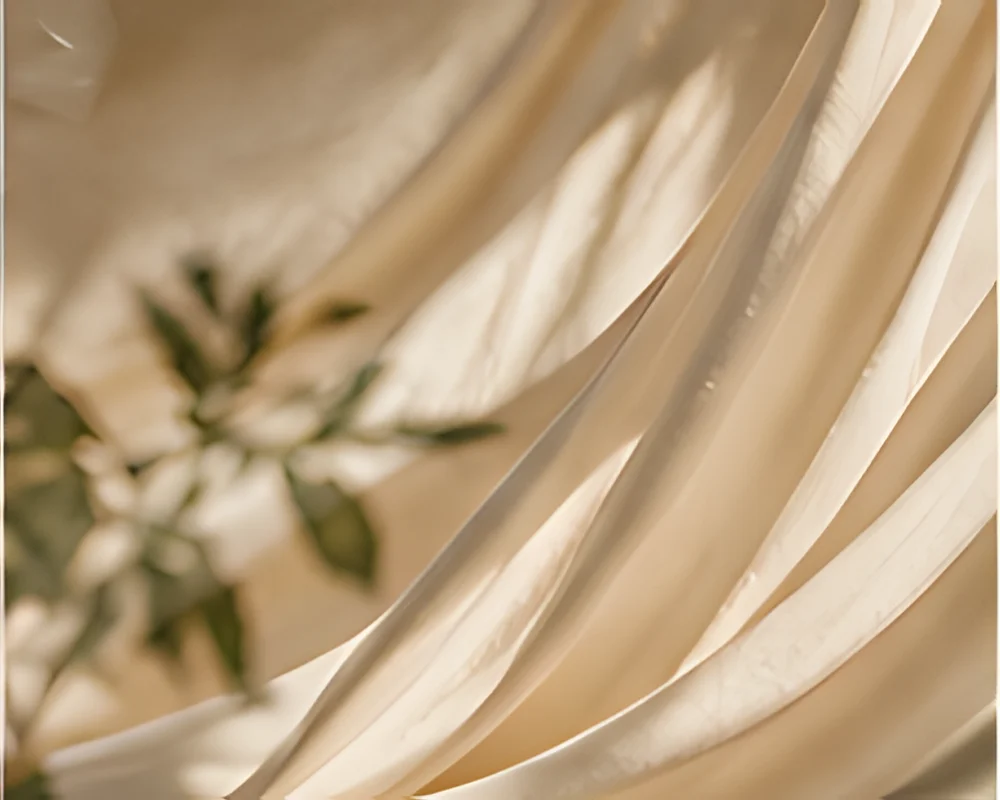
    Soft, natural-toned material draped in sunlight
    Soft, flexible material, ready to be formulated and coated.

    4. Formulation

    The dried plant material is combined with a binder and other additives — pigments, for example — to create a coating compound. The binder determines much of the final material’s flexibility, abrasion resistance and longevity.

    5. Coating onto a backing

    The compound is applied in layers onto a textile backing and cured. The backing provides structure and tear strength; the coating provides the surface you see and touch.

    6. Finishing

    Finally the surface is embossed with a grain, given its colour and finish, inspected and rolled. From here it behaves much like any other sheet material in a workshop: it is cut to pattern, edge-finished and stitched.

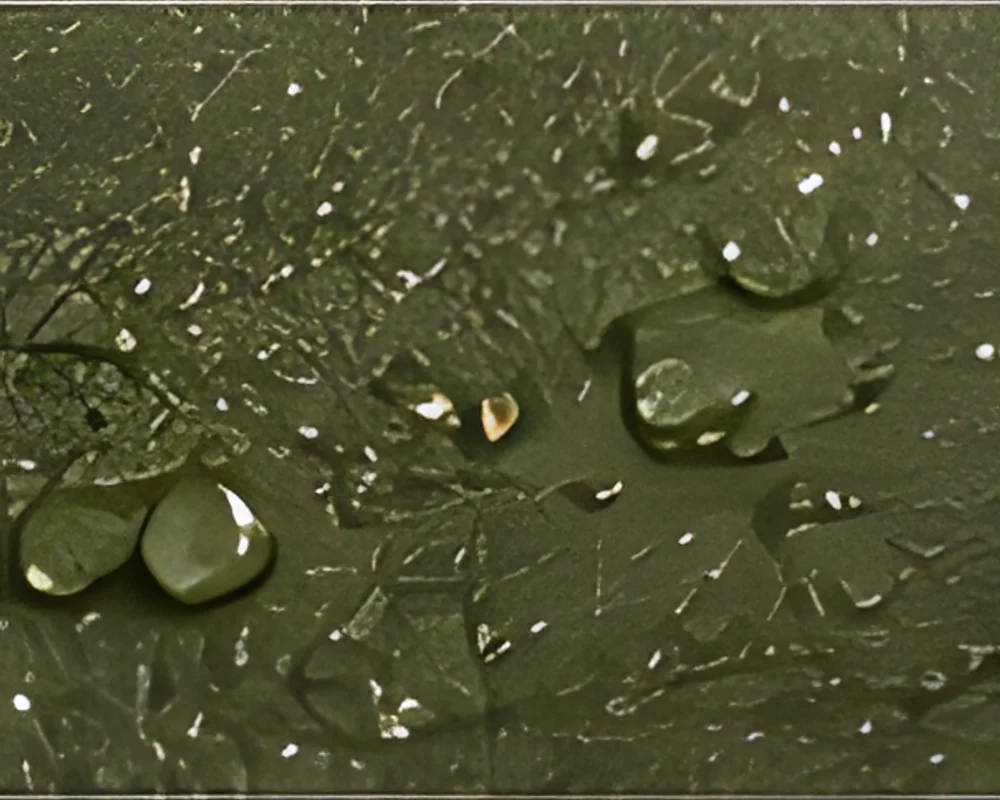
    Close-up of the grain of finished green cactus leather
    The finished surface: an embossed grain on a flexible sheet.

    What this means for products

    • Thickness and colour are consistent across a roll, which makes clean, structured shapes easier.
    • Edges are usually folded or painted, because a raw cut shows the backing layer.
    • Performance depends heavily on the specific formulation — which is why it is worth asking brands what they use.

    Read next: Is Cactus Leather Durable?

  • What Is Cactus Leather?

    What Is Cactus Leather?

    Cactus leather is a plant-based material designed to look and handle like leather. It is made using the pads (often called leaves) of the prickly pear cactus, Opuntia, which are processed and combined with other components to form a flexible, durable sheet.

    It is not leather in the traditional sense — there is no animal hide involved — and it is not simply dried cactus either. Understanding what sits between those two ideas is the most useful way to understand the material.

    What it is made from

    Most cactus leathers follow the same broad structure. Mature cactus pads are harvested, cleaned, processed and dried. The resulting plant material is combined with a binder and formed into a coating, which is applied to a textile backing for strength.

    • Plant content: processed prickly pear pads, which give the material its name and part of its character.
    • Binder: a polymer that holds the plant material together. Many suppliers use partly bio-based formulations; the exact composition varies by supplier.
    • Backing: a woven or knitted textile that gives the sheet tensile strength and tear resistance.

    An honest note

    Cactus leather is a composite. It is plant-based, but it is not 100% plant. When you see claims about a specific product, the most useful questions are what the binder is, what the backing is, and what share of the material is plant-derived.

    How it feels

    Good cactus leather has a soft, slightly matte surface with a fine grain. It is typically lighter than comparable animal leather and has a consistent appearance across a sheet, since it does not carry the natural marks of a hide.

    It also behaves differently over time. Animal leather develops a patina as oils and handling change its surface. Cactus leather tends to keep its original look for longer, which some people prefer and others miss.

    Where it is used

    Because it can be produced in rolls with predictable thickness and colour, cactus leather suits structured, cut-and-sewn products: bags, wallets, card holders, straps, footwear uppers and upholstery panels.

    Made in cactus leather

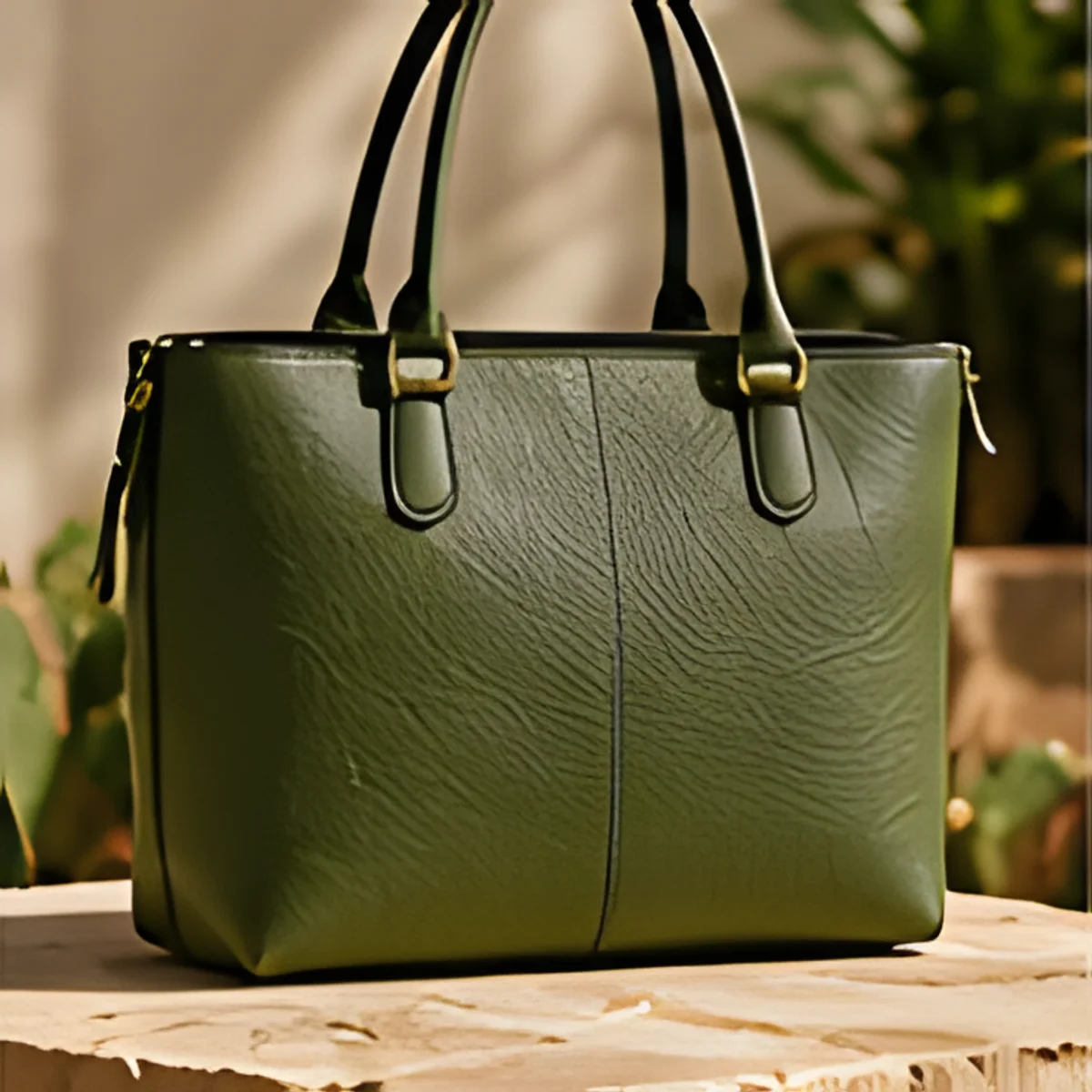
    Cactus Leather Tote in Olive Green, front view

    Cactus Leather Tote

    ₹4,499₹5,499

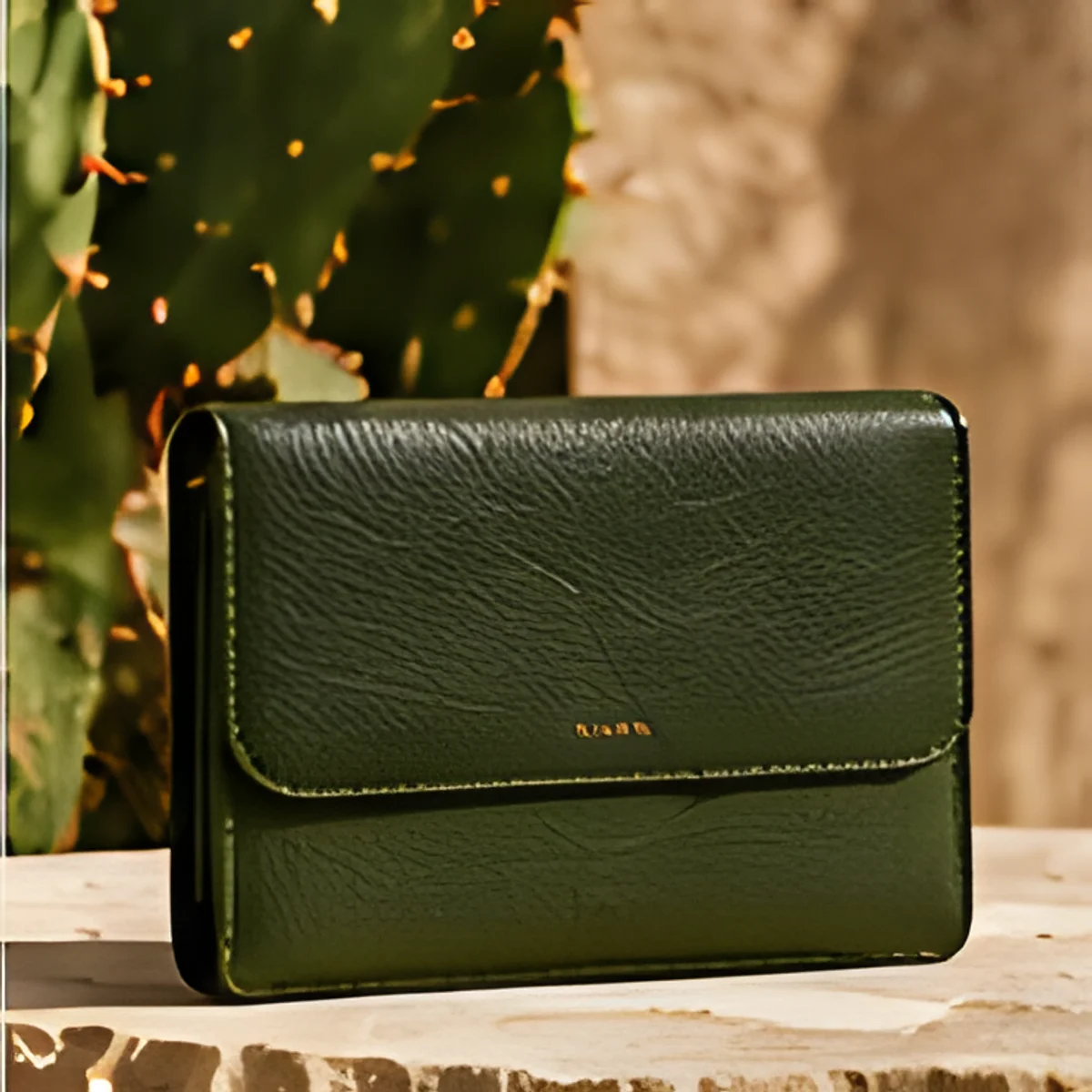
    Minimal Wallet in Olive Green, front view

    Minimal Wallet

    ₹2,099

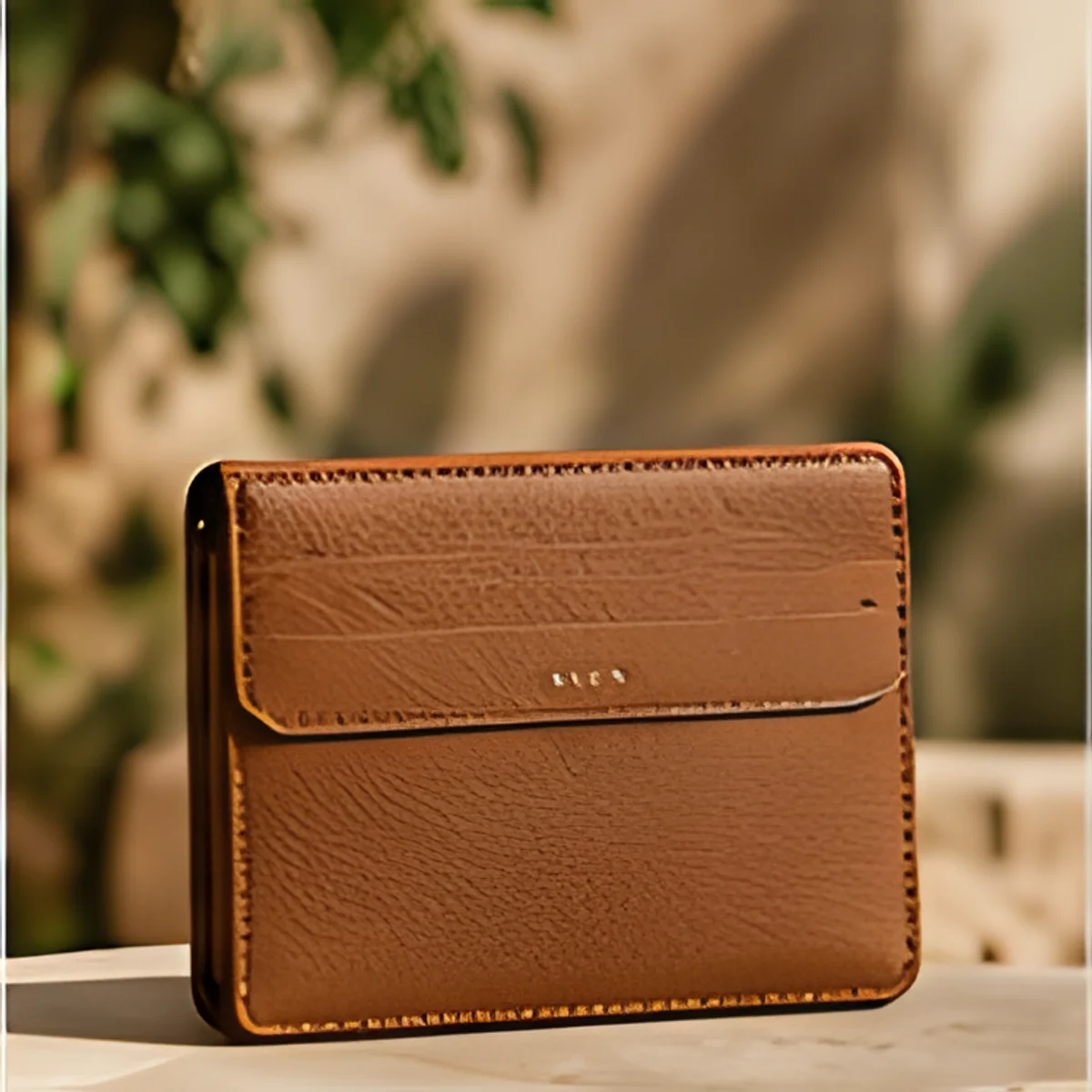
    Card Holder in Brown, front view

    Card Holder

    ₹1,499

    How it compares

    We have written a separate, more detailed comparison: Cactus Leather vs Traditional Leather. If you want to understand the production steps first, start with How Is Cactus Leather Made?.